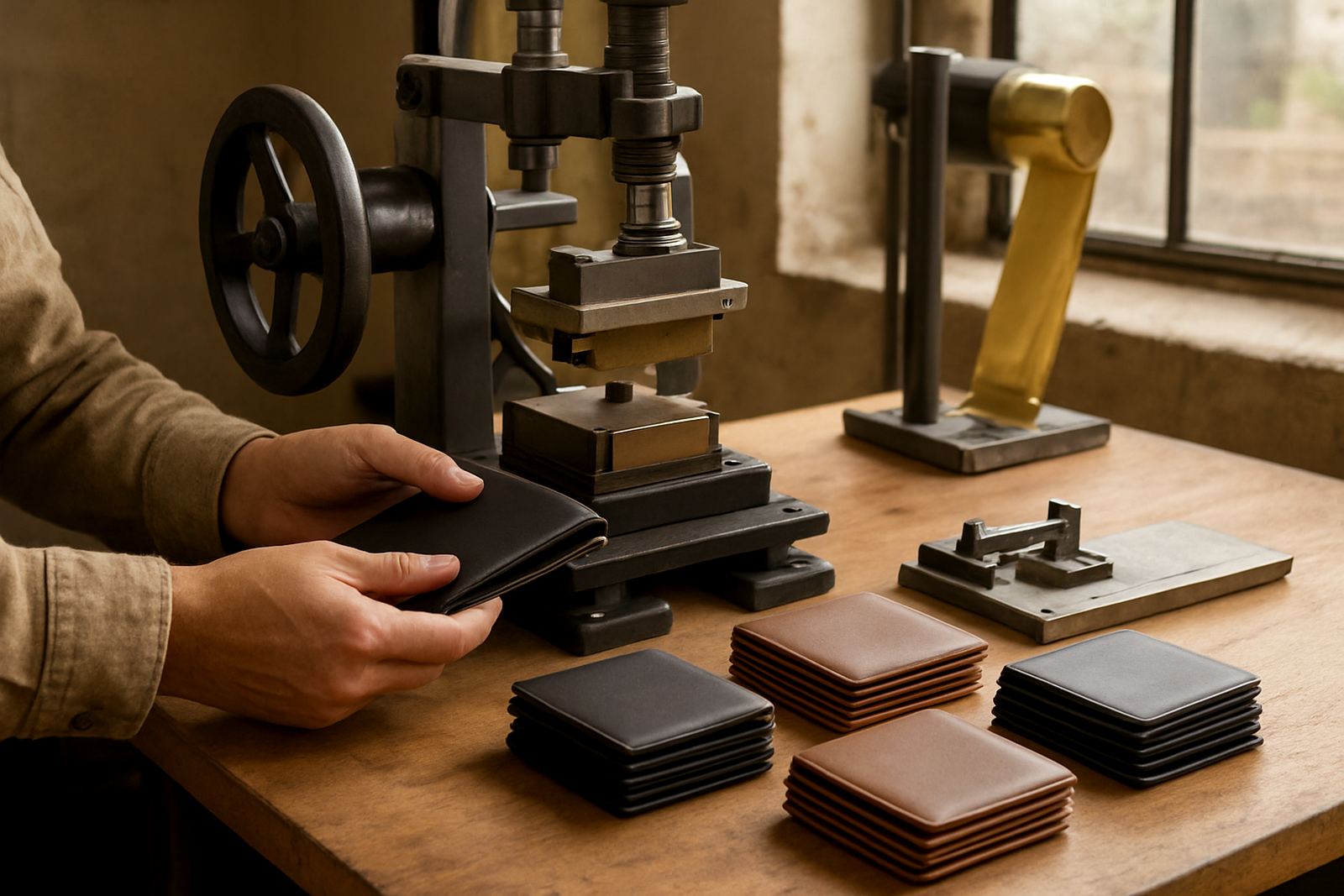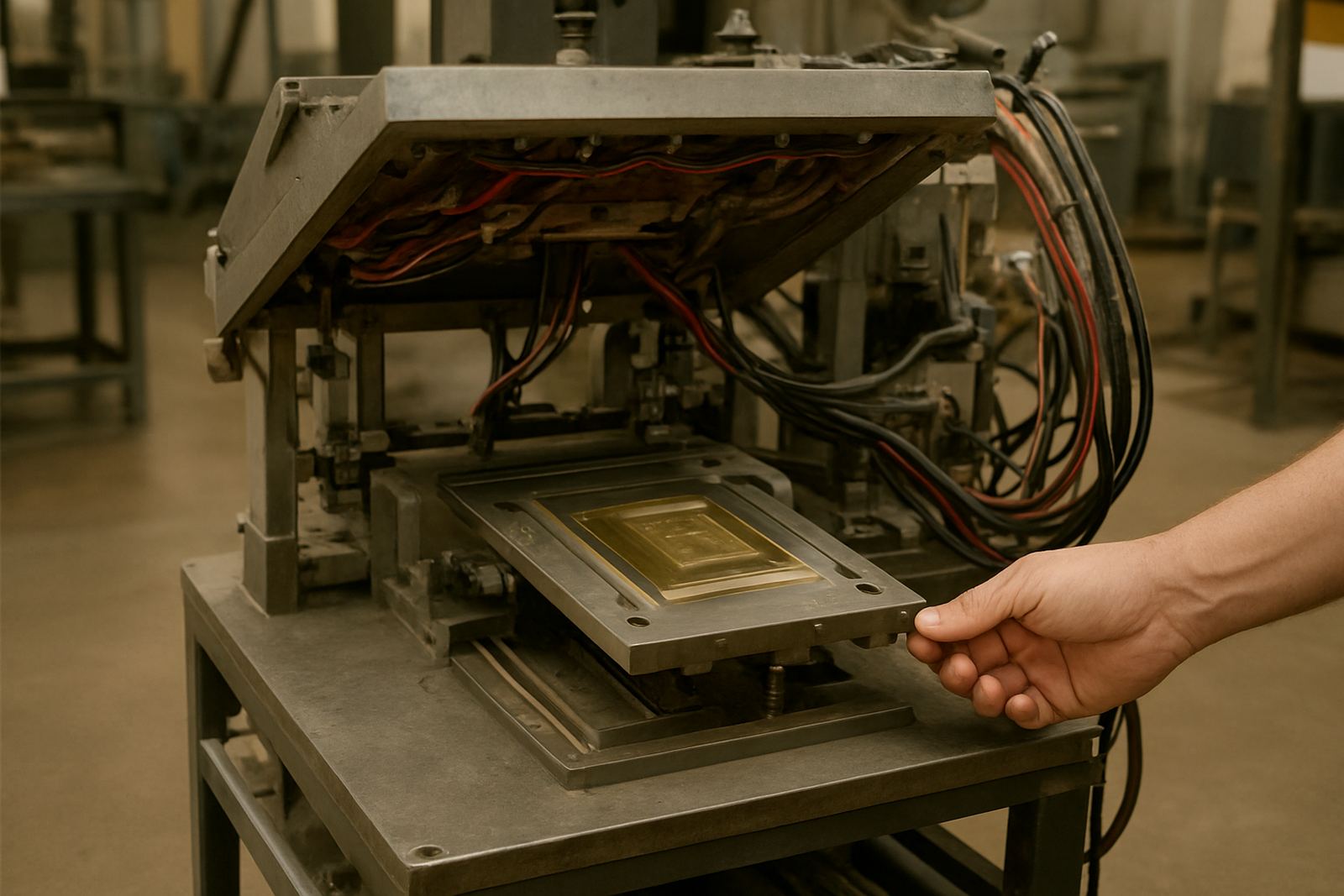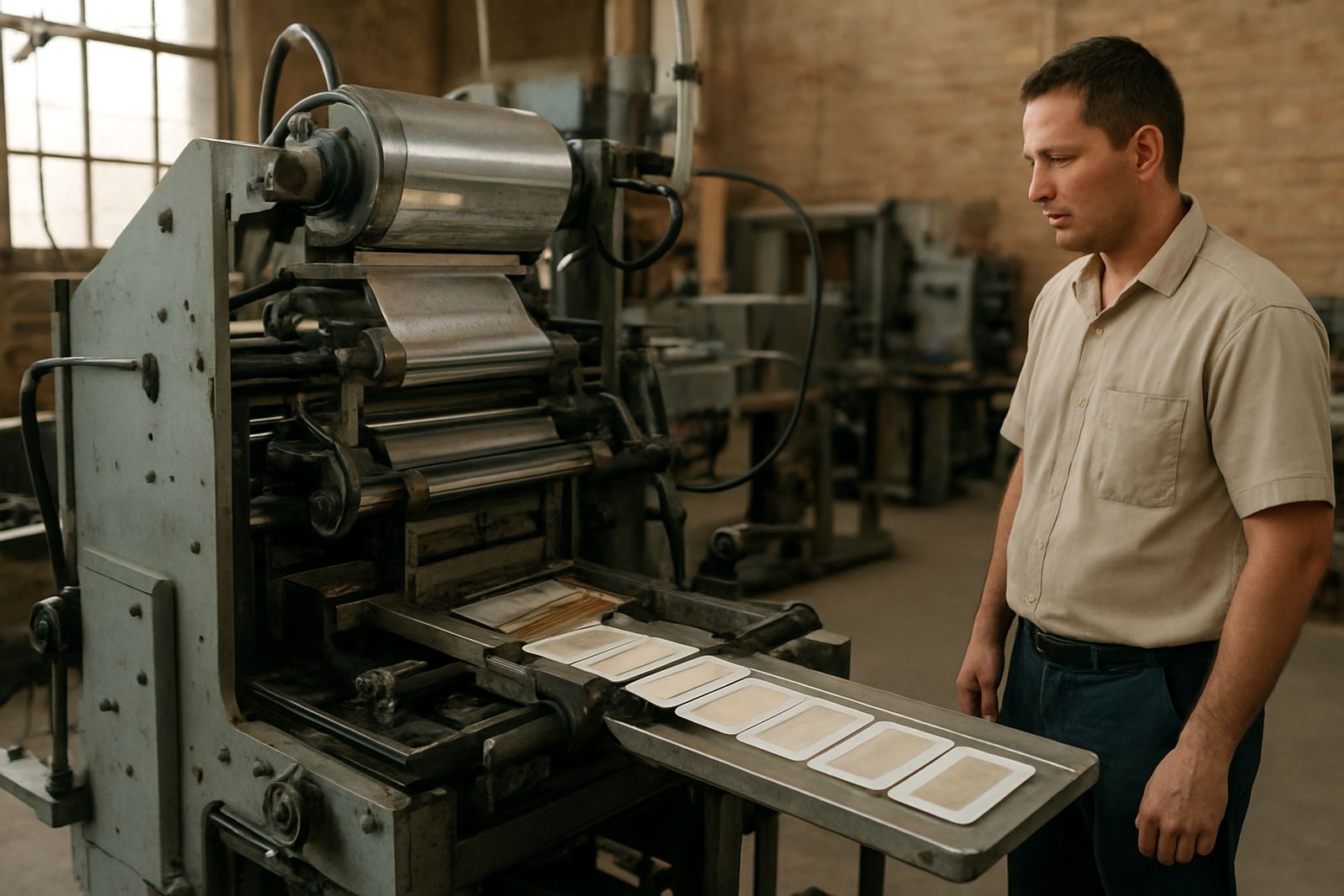
What the high speed feeder does on a foil press
A high speed feeder is an automated sheet feeding attachment that presents sheets to the press at a controlled pace. Instead of an operator loading every sheet by hand, the feeder lifts, separates and pushes material into the machine in a repeatable cycle. That matters when you are running invitation cards, folding cartons, sleeves, board inserts, labels or packaging components where the feed line has to stay square from the first sheet to the last.
For FoilPress customers in Johannesburg, Roodepoort, Randburg, Midrand, Sandton and Germiston, the feeder is most useful where labour costs, short lead times and large repeat orders put pressure on production. It helps reduce handling marks and gives the operator more time to watch registration, temperature and foil transfer instead of standing at the infeed all day. The result is better output consistency, especially on long runs and mixed shifts.
Size ranges and setup options available
The feeder is normally supplied to suit the press frame size and the sheet size you plan to run most often. Common setups cover small card work through to larger packaging sheets, with guide rail adjustments and stack height settings matched to the job. For South African production rooms, we usually look at the usable sheet width rather than just the paper size on the spec sheet, because trims, grippers and artwork position all affect the real working area.
- Small-format option for card, tags and short packaging pieces
- Mid-format option for cartons, sleeves and presentation packaging
- Wide-format option for larger board sheets and multi-up layouts
- Adjustable side guides for different sheet widths
- Variable feed speed control for lighter or heavier stock
Typical sheet handling is best on clean, flat material in the 128 gsm to 400 gsm range, depending on the press and the material finish. Coated board, laminated stock and foil-ready card usually feed well if the pile is prepared properly. On very humid coastal stock or warped board, the feeder still helps, but the pile has to be conditioned and squared up first.
Where it suits card and packaging production
This option suits businesses that run repeated jobs with the same artwork position and sheet size. It is a good match for wedding stationery, corporate folders, luxury carton work, cosmetic packaging, pharmaceutical inserts and promotional card items. If your work is spread across many small batches, the feeder can still help, but it gives the best value when you have regular repeat production and need a consistent pace.
It is also useful when the press runs in split shifts or when one operator must cover more than one task. In a busy shop, that extra feed control can make the difference between finishing a job before knock-off or carrying it over to the next day. During load-shedding periods, some customers prefer a feeder because it supports more predictable restart procedures after power returns, with less time lost setting up the sheet line again.
- Good for repeat foiling on invitations, cartons and sleeves
- Works well in compact workshops where labour must be used carefully
- Helps reduce misfeeds on heavier board and coated stock
- Useful where production targets are tight and finishing windows are short
Installation, power and plant requirements
Installation needs to be matched to the press model, floor space and electrical supply at your site. The feeder is normally mounted and aligned as part of the press setup, with checks for infeed height, sheet path and stop position. A level floor, enough front clearance for the pile and safe operator access are all important. If the machine is going into a small workshop in Industria West or a production floor in Midrand, the available space should be measured before delivery day so the line can be positioned once, not moved twice.
Most units run from standard industrial single or three phase supplies depending on the press package and the drive arrangement. A clean power supply with proper earthing is important for stable control. Where the site experiences voltage swings, we may recommend protection at board level. Pneumatic supply may also be needed if the feeder uses air for sheet separation or vacuum assist. Air should be dry and filtered, especially in humid areas near the coast or in busy workshops with compressor load.
Operators should be trained to watch pile height, side lay, sheet fan-out and the first few sheets of every new batch. A feeder makes the job faster, but it does not replace setup discipline. On foil work, small changes in stock curl or board dust can affect feed reliability and foil transfer at the same time.
Care, servicing and day to day checks
Like any production attachment, the feeder works best when it is kept clean and checked regularly. Paper dust, board fibres and foil scraps can build up around rollers, belts and sensors. If that happens, the machine may start missing sheets or feeding two at once. A simple cleaning routine at the end of each shift will save time later and keep the run more stable.
We usually advise customers to include the feeder in their normal preventive servicing schedule. That can cover belt tension, roller condition, sensor alignment, lubrication points and drive checks. If the press is used in a hot workshop or a site with heavy production dust, the inspection interval should be shorter. Our technical team can also handle breakdown repairs, heater calibration on the press side, and pressure setup if the feeder and press need to be rebalanced after a change in stock.
- Clean feed rollers and sensors daily
- Check suction or air lines for leaks or blockages
- Inspect belts and drive parts for wear
- Keep the sheet pile squared and free of warped stock
- Log any misfeed patterns so they can be traced during service
What to check before you place an order
Before ordering, it helps to confirm the press model, the widest and shortest sheet you plan to run, the stock thickness range, and the daily volume you expect. If your work includes both light card and heavier packaging board, say so upfront. The feeder must be sized for the toughest job in the mix, not only the easiest one. It also helps to know whether the shop uses vacuum delivery, air assist or mechanical separation, as this changes the final setup.
Send us details of your current press, your power supply, floor space and preferred production rate. If you need installation in Johannesburg or anywhere else in South Africa, we can plan the delivery and commissioning around your operating hours. We also help with foil matching and production optimisation so the feeder does not sit in isolation from the rest of the job. When the feeding system, die mounting and press settings all work together, the line runs better and there are fewer stoppages.
FoilPress supplies presses and foils nationwide, with support from our Industria West base and work across Roodepoort, Randburg, Sandton, Midrand and Germiston. If you are upgrading an existing line or setting up a new one, the high speed feeder can be specified to fit the way your shop actually runs, not just the way the brochure says it should run.
Key facts
| Feed method | Automated sheet feeding with adjustable pile and side guide control |
|---|---|
| Sheet size range | Small format through to larger packaging sheets, matched to press size |
| Stock range | Typically 128 gsm to 400 gsm depending on material and press setup |
| Power requirement | Industrial single phase or three phase depending on configuration |
| Air requirement | Dry filtered air may be required for vacuum or separation assist |
| Best use | Repeat foiling on card, cartons, sleeves and packaging components |