What the Micro Register Press is used for
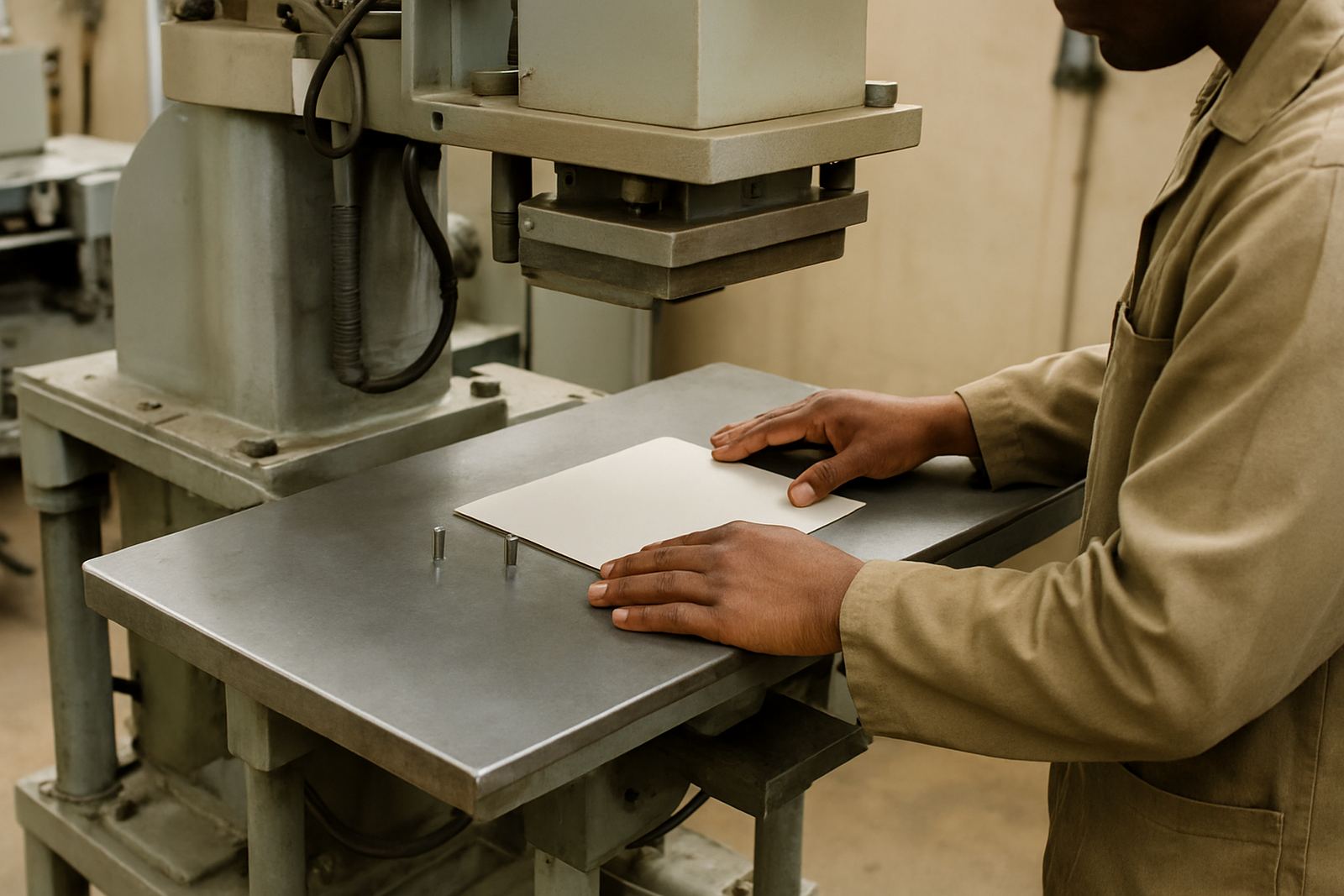
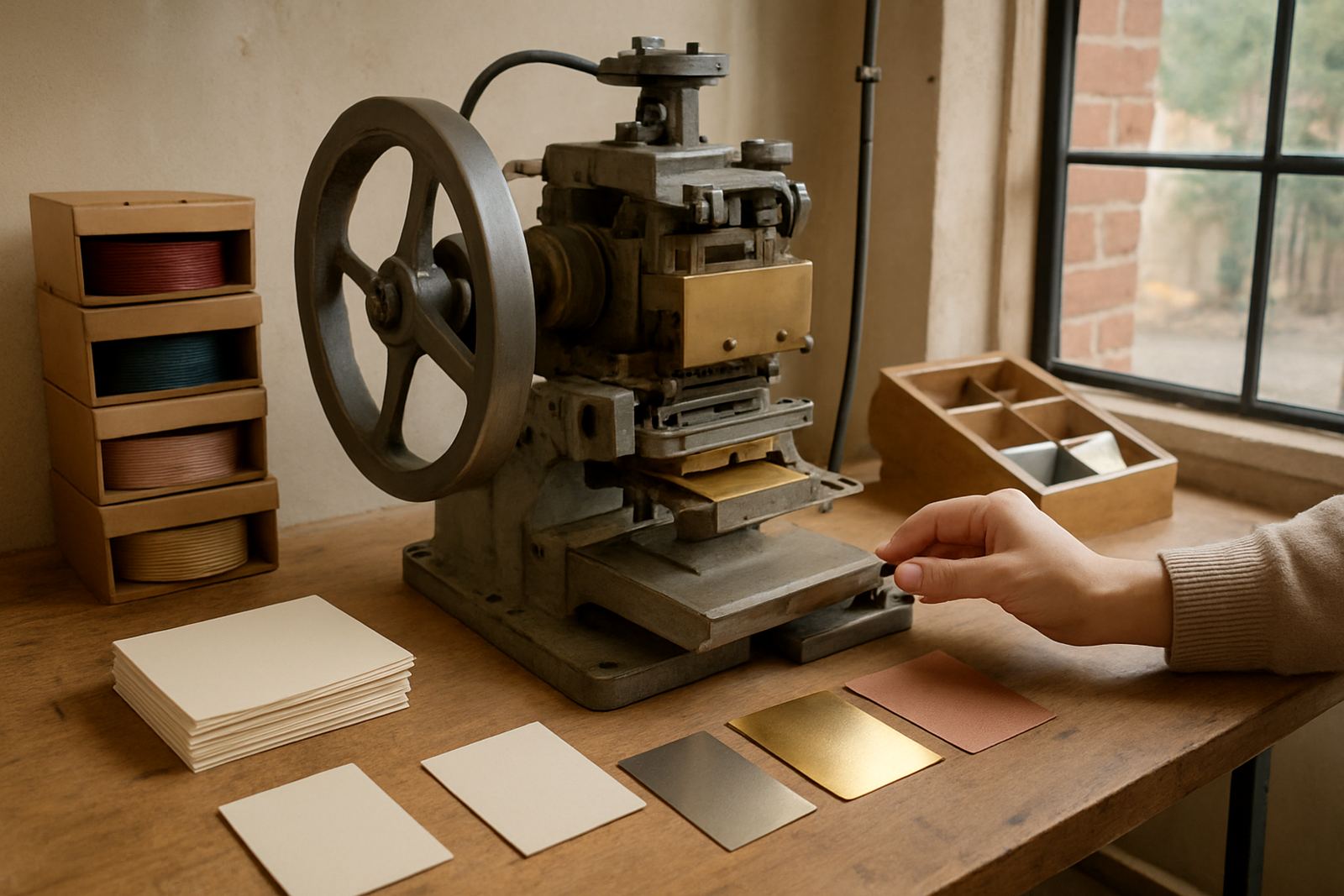
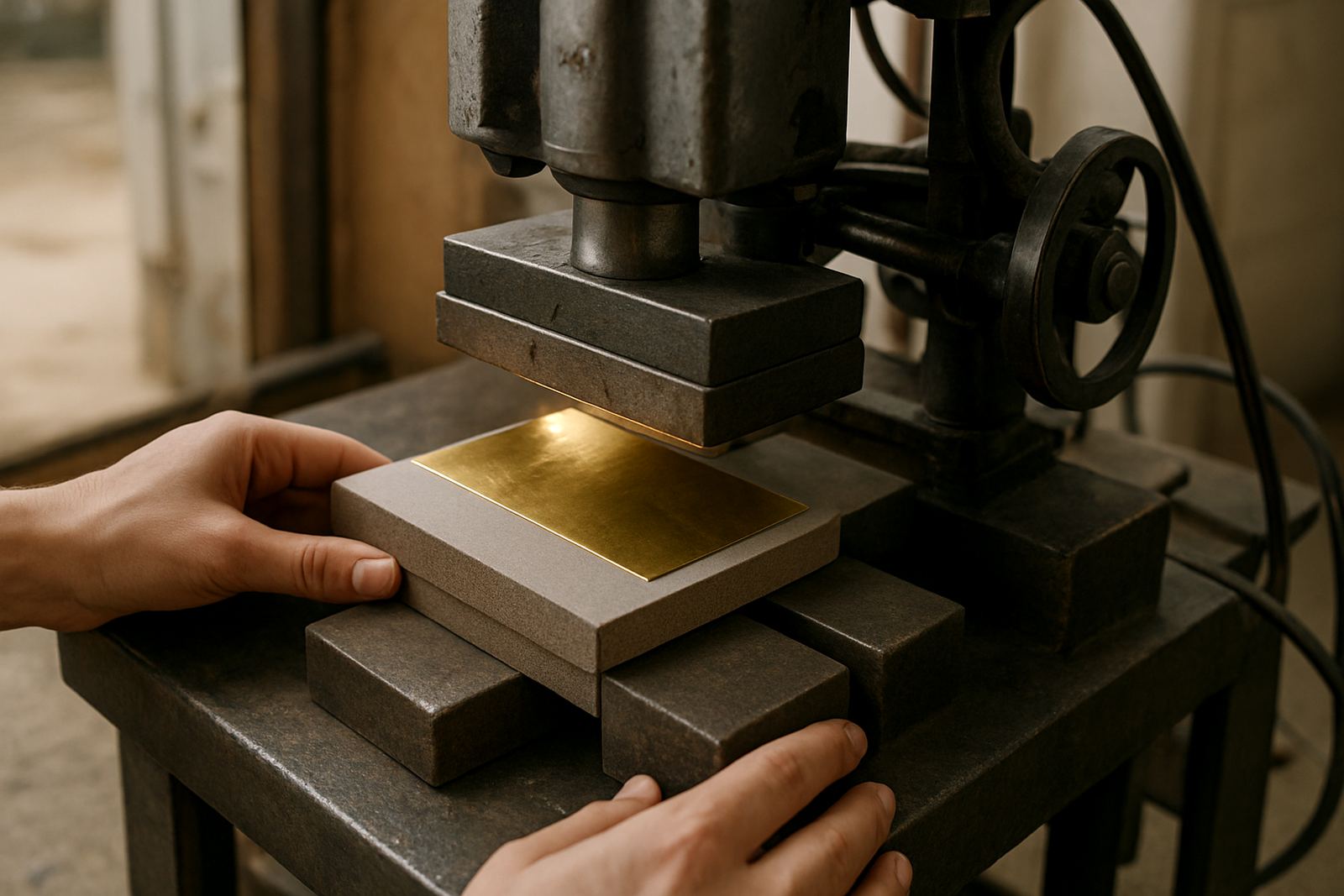
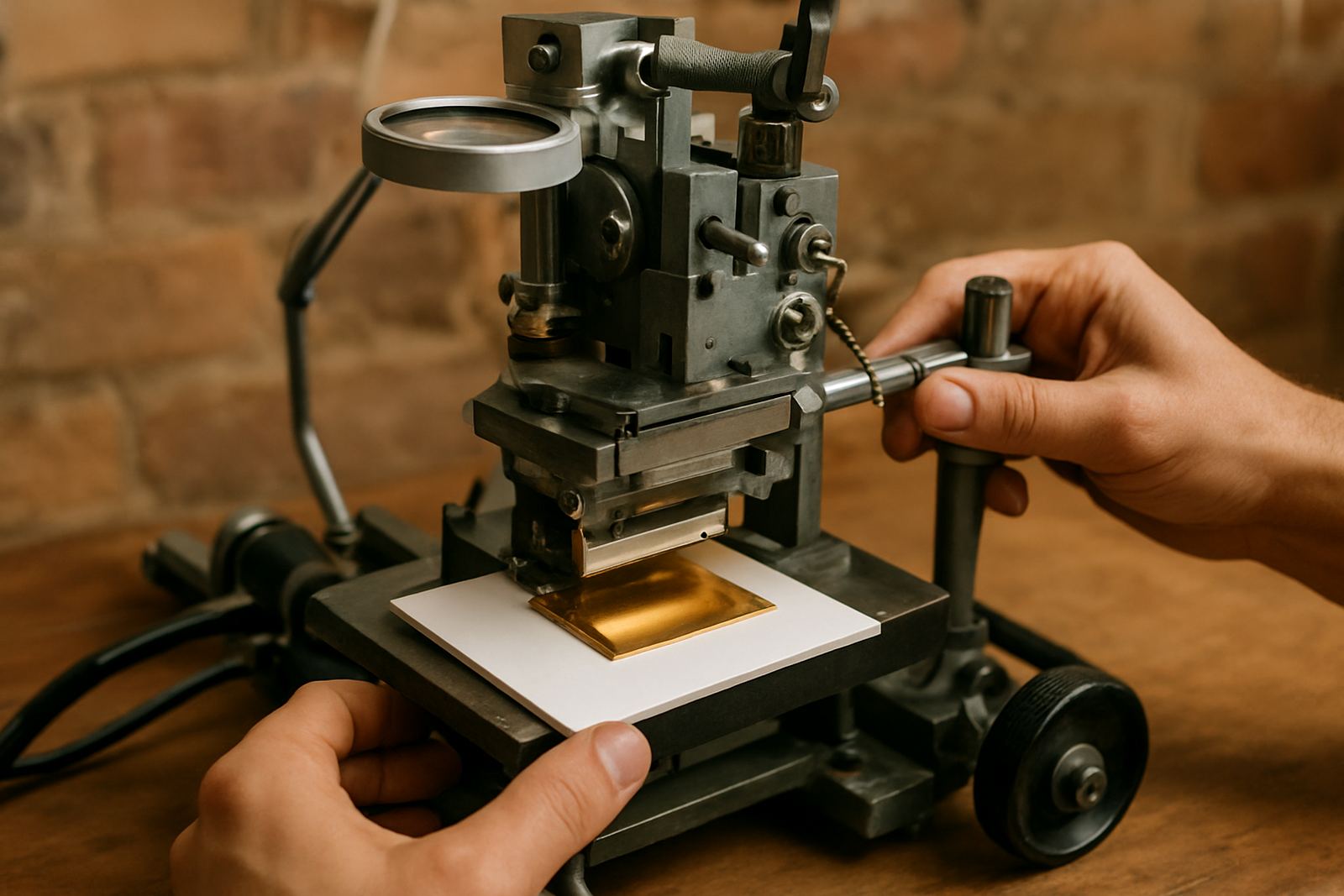
The Micro Register Press is a hot-foil stamping press designed for work that needs careful positioning, not just pressure. It suits card makers, packaging shops, print rooms and specialist finishers that handle logos, borders, name panels and small decorative areas where registration must be tight from sheet to sheet.
Fine adjustment controls help the operator make small changes to the image position before and during production. That matters on jobs with narrow borders, layered artwork or short runs where set-up time must be kept under control. It also helps when working with coated board, textured stock or mixed batches that do not always sit the same way on the table.
For businesses in Johannesburg, Roodepoort, Randburg, Midrand, Sandton and Germiston, this type of press is often a practical fit where space is limited but finishing standards are high. It is a workshop machine, not a general purpose press, so it is best matched to users who need repeatable foil placement day after day.
Sizes and operating options to consider
Micro register machines are usually selected by platen size, heated area and the type of material being stamped. Smaller machines are handy for business cards, tags, labels and invitation work, while larger table sizes can handle folded cartons, sleeves and presentation packaging. The right choice depends on your artwork size and how much stock you need to run in a shift.
When ordering, check whether you need one or more of these options:
- Standard or extended platen size for the sheet format you use most
- Digital temperature control for steady heat during longer runs
- Adjustable dwell control for different foil and board types
- Manual fine register adjustment for small artwork shifts
- Clamping or guide setup for repeat feeding
- Single phase or three phase electrical supply depending on the machine size
If you are doing mostly short runs with frequent artwork changes, a press with easy set-up and clear operator controls is usually the best fit. For heavier production, look at machine rigidity, heater recovery and how quickly the press comes back to temperature after each cycle.
Where this press suits best
This model is a strong match for card printers, carton finishers, invitation makers and packaging shops that need clean foil placement on detailed artwork. It is especially useful where the design includes small lettering, corner borders or repeated elements that must line up properly across a run.
It also suits businesses that do mixed jobs through the week. One day you may be stamping premium business cards and the next day you are finishing soap sleeves, cosmetic cartons or gifting boxes. Fine adjustment control makes that changeover easier because the operator can correct position without fighting the machine each time.
In Gauteng and surrounding industrial areas, a machine like this is often used in premises with moderate floor space and controlled workflow. If your operation runs near high humidity, dusty finishing areas or warm enclosed rooms, you will want to keep the machine clean and check foil tracking often.
Installation, power and site preparation
Before installation, confirm the machine footprint, bench height and access around the working side. Allow room for stock handling, foil loading and safe movement by the operator. If the machine is going into a busy workshop, plan the position so the feed area is not cramped and the power connection is easy to isolate in an emergency.
Power needs depend on the machine size and heater load. Some units run from standard single phase supply, while larger models may need three phase power. A stable supply is important because voltage dips can affect heat recovery, and load-shedding means many clients now ask about back-up power compatibility before they buy.
- Check the available supply before delivery
- Confirm whether you need a dedicated circuit
- Make sure the floor or bench is level
- Keep the machine away from direct draughts and water
- Allow safe access for servicing and cleaning
Where local workshop rules require it, fit proper isolation and earth protection. If you are in an industrial building with other finishing machines, it is worth planning the press around the same electrical schedule as the rest of the line so production does not stop mid run.
Servicing, calibration and daily care
Hot-foil equipment lasts longer when it is kept clean, aligned and checked before each run. Wipe down the platen area, keep foil paths free of scraps and watch for build-up around guides and heaters. Small faults often start with loose settings, worn mounts or poor pressure setup, so prevention is cheaper than breakdown work.
Preventive servicing should include heater calibration, pressure checks, inspection of moving parts and a review of temperature consistency. If the press starts giving patchy foil, off-centre images or weak transfer on one side, the cause may be temperature drift, uneven pressure or a mounting issue rather than the foil itself.
Regular operator training helps too. On busy jobs, a small setting error can waste board and foil quickly. We see this often where a machine is shared by more than one person and the handover is rushed, especially during month end production or after a power interruption.
What to confirm before you place an order
To match the press properly to your work, confirm the stock size, foil width, artwork dimensions and expected daily volume. It also helps to know whether you are stamping flat sheets, folded cartons or already cut pieces, because that changes the guide setup and the way the operator loads each job.
Please check the following before ordering:
- Largest sheet or item size you plan to run
- Type of material, including coated board or uncoated stock
- Artwork detail level and required placement accuracy
- Electrical supply at your premises
- Need for installation, training and first-job setup
- Whether you need spares support and regular servicing locally
If you are unsure, it is better to compare a few job samples than to guess. The right press should match the foil area, the production pace and the skill level of the team that will run it every day.
Key facts
| Machine type | Micro register hot-foil stamping press |
|---|---|
| Primary use | Precise logo, border and small-area foil placement |
| Control | Fine adjustment for registration and pressure setup |
| Typical applications | Cards, cartons, labels, sleeves and presentation packaging |
| Power | Single phase or three phase depending on model size |
| Support | Installation, training, servicing, repairs and spares supply nationwide |