Which press suits cards, sleeves and cartons?
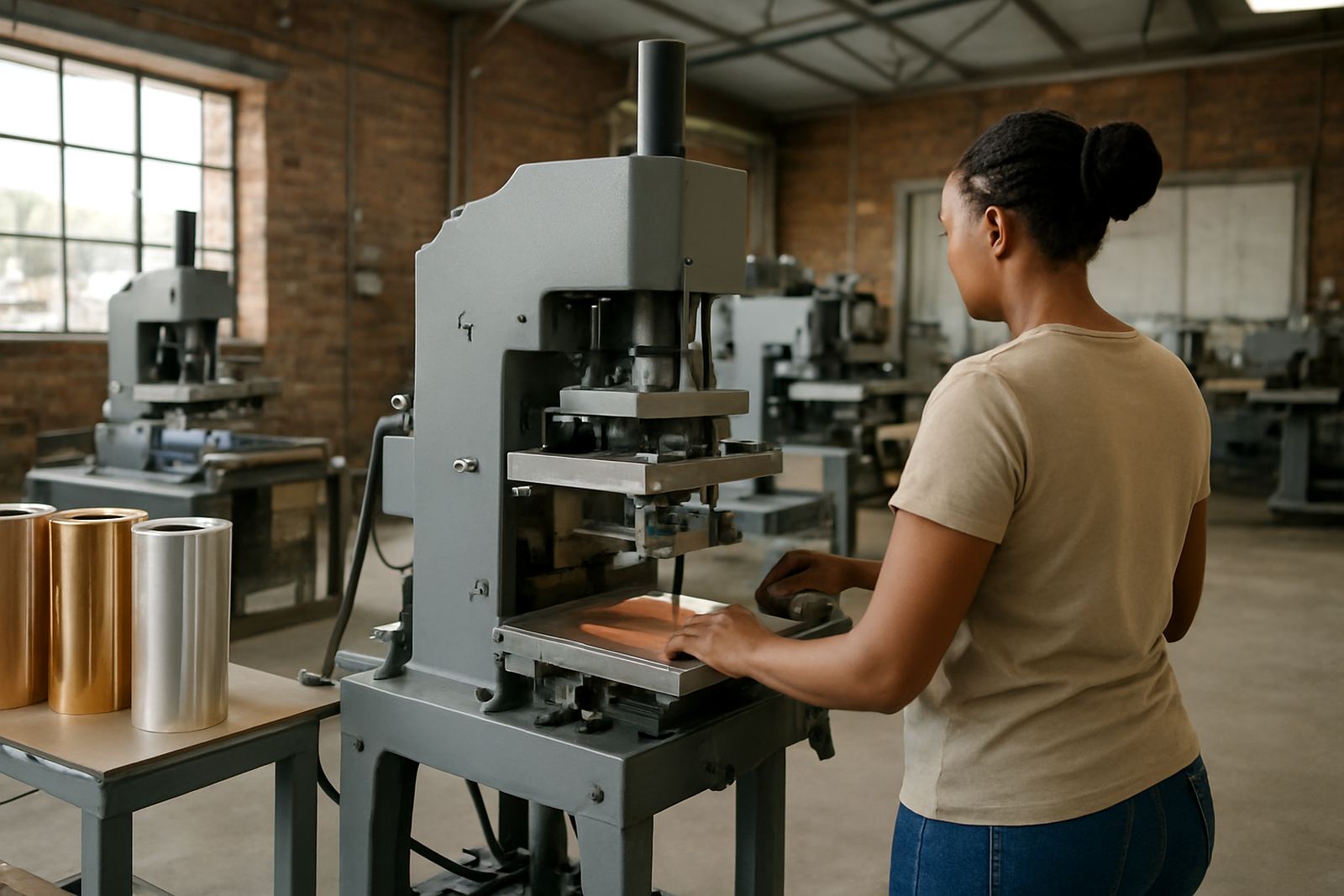
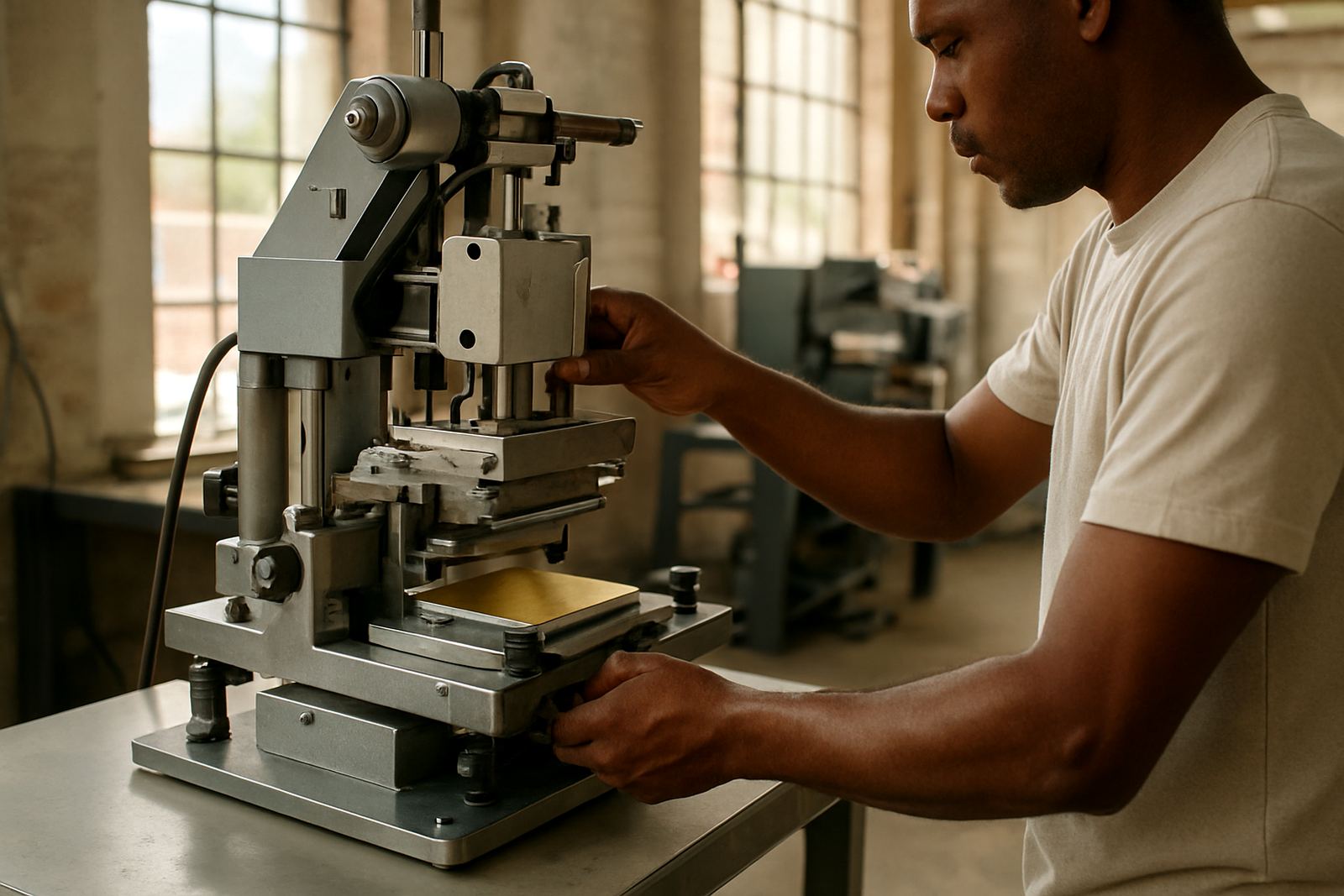
The right press depends on the size of your work, the volume you run, and how often you change jobs. Small craft studios in Randburg may only need a compact press for short runs, while a packaging plant in Germiston often needs a heavier unit with more even pressure across larger sheets. We help match the machine to the job so you are not paying for capacity you will never use, or under-sizing a press that will struggle on thicker board.
As a simple guide, share these details before ordering or requesting support: sheet size, substrate type, foil area, daily volume, and whether you use flat board, folded cartons or mixed stock. That lets us advise on platen size, heating control and pressure range. If your team works with coated board or laminate, mention that too because it can change the foil result quite a bit.
How long does setup and first production usually take?
For a straightforward job, setup can be done in a short session once the die, foil and stock are ready. A small run of business cards or cartons may only need a basic heat setting, pressure setup and a test strip. Larger packaging work takes longer because the operator needs to check registration, dwell time and foil release across the full sheet. On a Monday morning after a power cut, allow extra time for heaters to stabilise again.
Good setup saves far more time than it costs. If the foil is too hot, you will see smudging or blown edges. If it is too cool, the image will look patchy and may not bond properly. We normally suggest a test sequence before full production, then a final check after the first few sheets. That way you catch problems before they turn into scrap.
What foil should I use for South African conditions?
Foil choice depends on stock, finish and where the product will be stored or sold. Coastal humidity in Durban or Port Elizabeth can affect some materials differently from dry inland conditions in Johannesburg. If your packaging will sit in a warehouse or travel long distances, the foil needs to hold up without lifting or dulling.
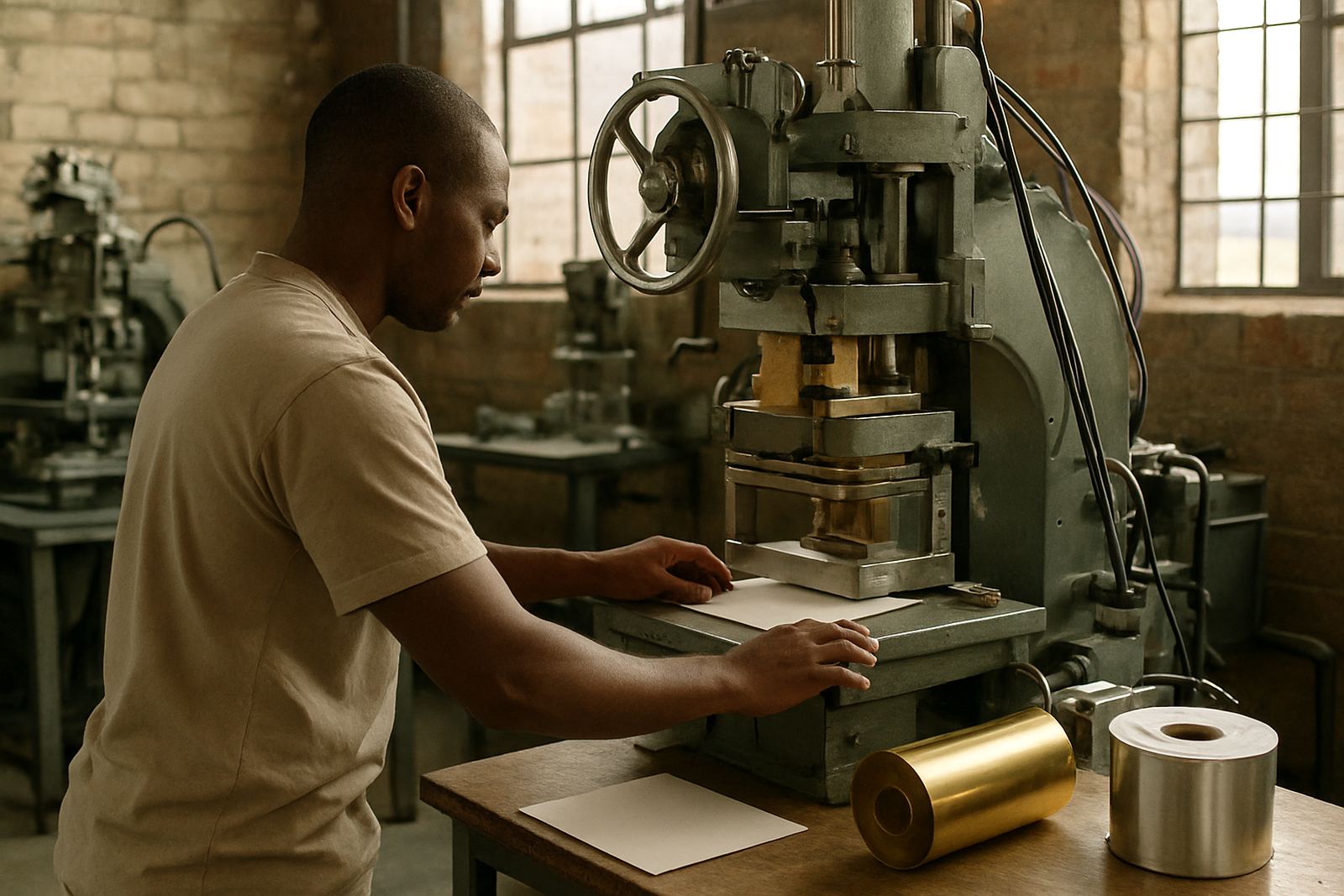
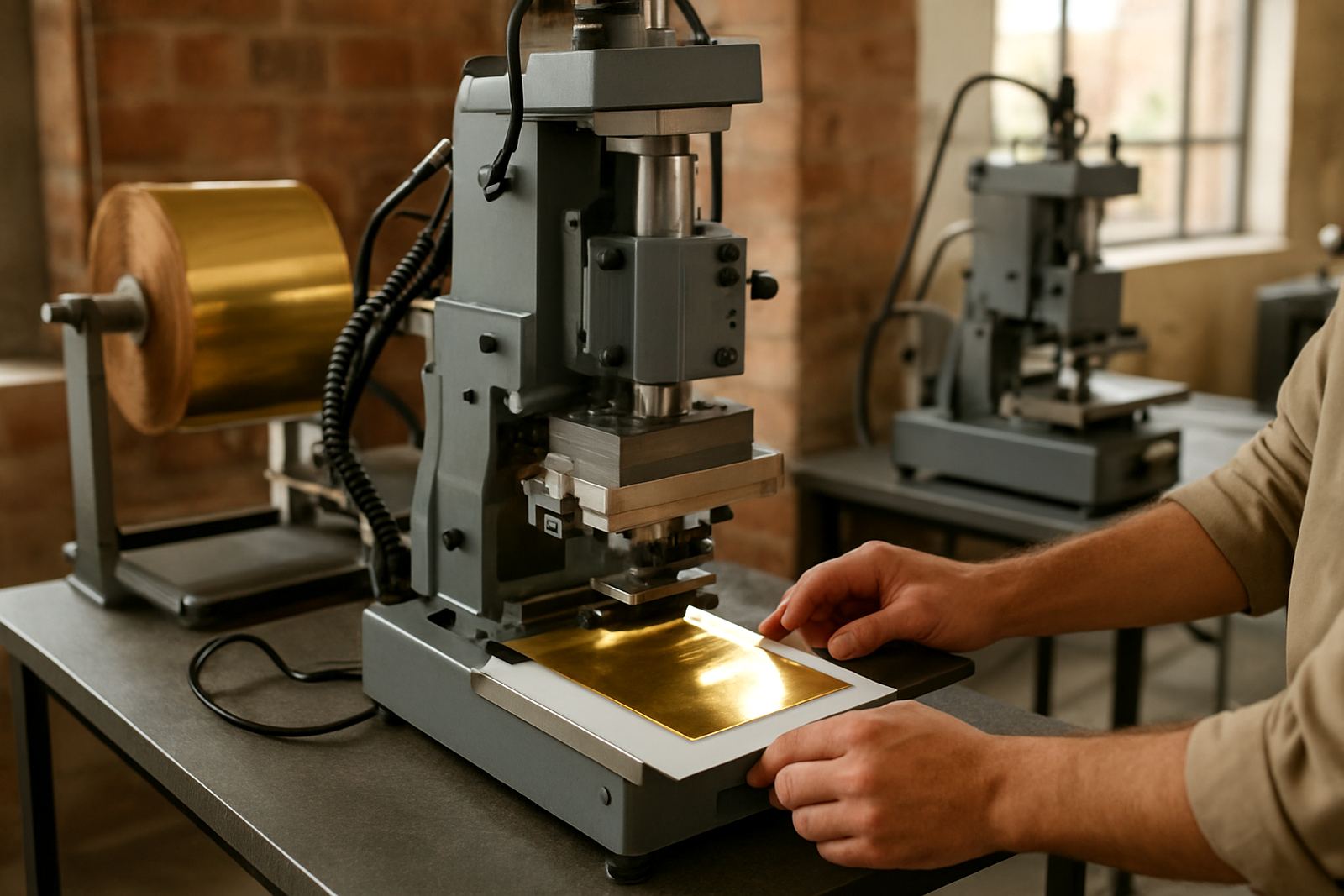
We help with foil matching for metallic, pigment and specialty finishes. A shiny finish may look perfect on smooth coated board, but not every substrate behaves the same. When the foil is matched correctly, you get cleaner detail and fewer re-runs. For short craft runs, it can be useful to keep two or three test colours on hand, especially if clients ask for quick changes.
What support do you offer after installation?
Support does not stop once the press is delivered. We assist with press installation, operator training, preventive servicing, breakdown repairs and production optimisation. In practice that means your team gets help with day to day use, and when something goes wrong you know who to call. Our base in Industria West serves clients across Roodepoort, Randburg, Midrand, Sandton, Germiston and beyond.
When you contact us, the quickest help usually comes from sending a photo of the setup, the press model details, and a short note on the fault or print issue. If it is a pressure problem, tell us whether the impression is weak on one side or across the full sheet. If it is a heat problem, note the reading and how long the press has been running. That small bit of info can save a site visit, or at least make the visit more useful.
How do you handle servicing and breakdowns?
Preventive servicing is always cheaper than an emergency stop in the middle of production. We check heater calibration, pressure setup, wear parts and moving components so the press keeps running at a steady standard. That matters when you are working to municipal tender deadlines or packing seasonal stock for retailers, because even one day lost can throw off the whole week.
For breakdowns, the first step is to switch off the machine and keep the area safe. Do not keep pushing the press if the heater is cycling badly, the pressure is uneven or there is any smell of burnt wiring. Then log the fault, take a photo if you can, and send the detail through to the support team. In many cases the issue is a simple adjustment, but if parts are needed we can advise on spares supply and the likely turnaround.
Can you help smaller craft businesses as well as larger manufacturers?
Yes, we work with both. A small business in Sandton making presentation packs may need advice on start-up settings and foil selection, while a larger manufacturer in Midrand may need more structured operator training and planned maintenance. The support approach changes with the site, but the aim is the same: consistent foil work without wasted time or unnecessary spoilage.
If you are growing from short runs into regular production, it helps to set up a basic system early. Keep a note of every job, the die used, the temperature, pressure and the foil type. That makes repeat orders easier and gives new staff a proper reference. A little discipline at the start can save a lot of material later on, especially when jobs change quickly.