When apparel tags need a better finish
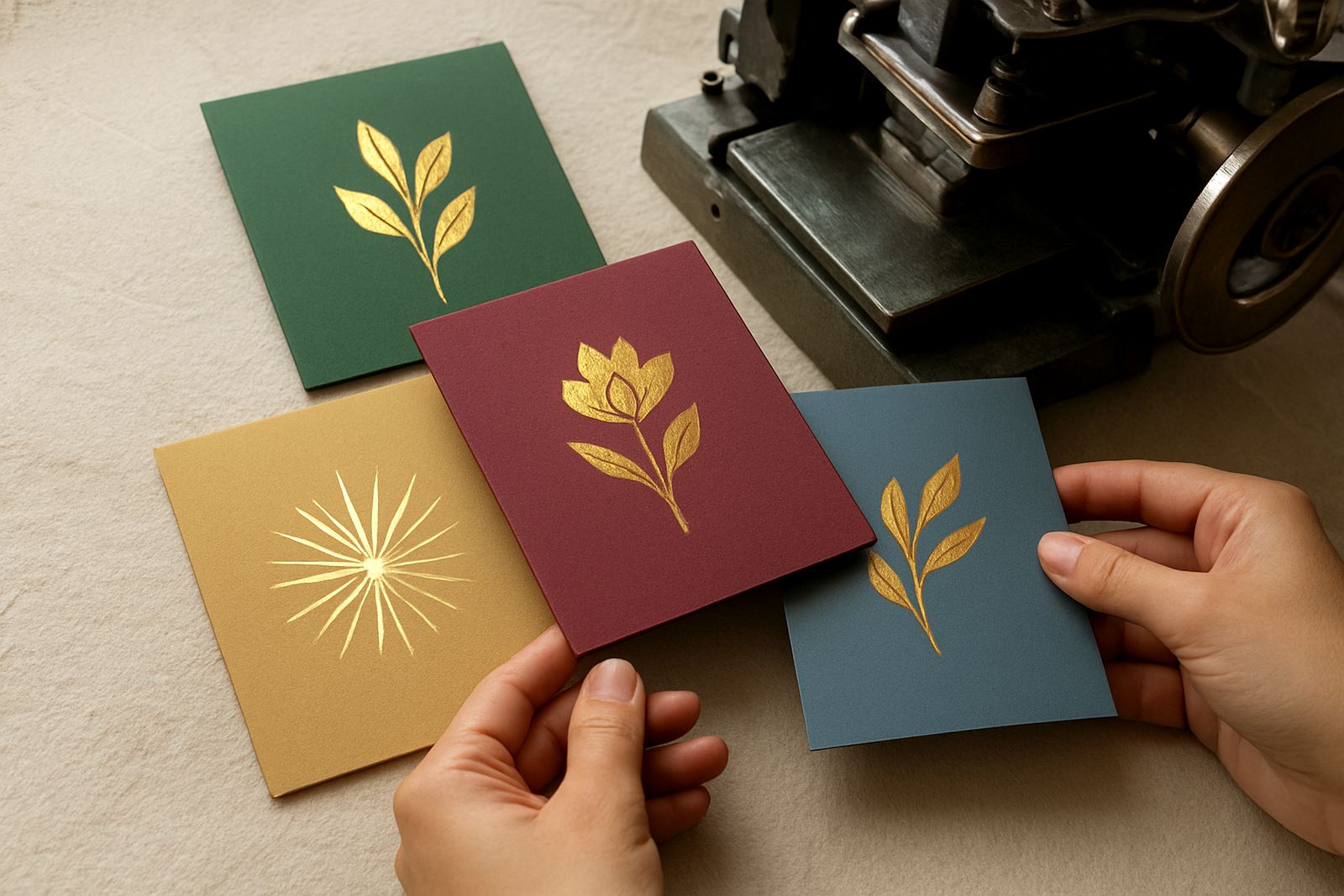
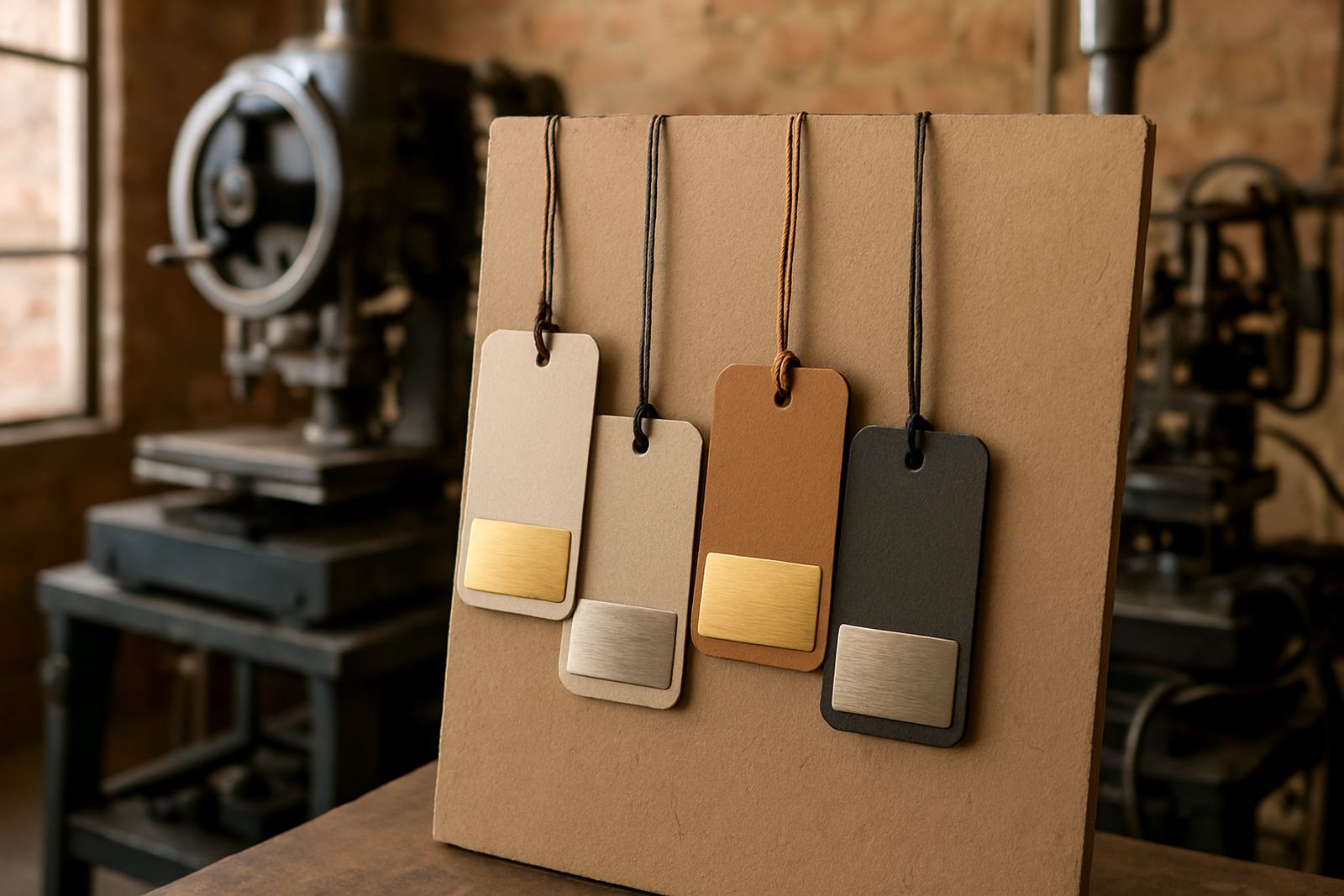
Apparel tags are often the last thing a customer handles before buying, so the finish matters. A plain tag can carry the job, but foiled tags add a sharper edge for labels on shirts, knitwear, bags, belts and premium accessories. They help smaller brands look more polished and they give established manufacturers a cleaner way to present ranges in store and at market stalls.
For clothing businesses in Johannesburg, Pretoria, Durban or Cape Town, the common situation is the same: tags must look neat, survive handling, and stay consistent from the first run to the last. That means the press, foil and die all need to work together properly. If the production team is rushing before a launch or restock, poor heat or incorrect pressure can spoil a batch quickly.
- Short runs for seasonal ranges or special editions
- Mid-volume production for retail packaging and hang tags
- Mixed stock with coated board, uncoated board and laminated card
- Tags that must match a brand colour palette and clean line work
Typical press setup for tag production
A good apparel tag line usually starts with a hot-foil stamping press sized for the tag format and the volume you plan to run. Small craft operations may only need a compact hand fed unit, while a factory in Industria West or Germiston might need a heavier machine with better bed stability and more consistent pressure control. The right setup depends on tag size, board thickness, die size and how many impressions you expect per shift.
FoilPress works with presses and foils for local production needs, including heater calibration, pressure setup and die mounting. In practice, that means checking whether the tag stock is flat enough, whether the foil release is correct for the material, and whether the pressure spreads evenly across the image. In a humid area or during load-shedding recovery, settings can drift a little, so operators need a repeatable method.
- Press size matched to tag dimensions and die area
- Heater control for stable temperature during longer runs
- Pressure setting that suits the board rather than forcing the image
- Clean die mounting so logos and text stay sharp
- Foil choice for metallic, pigment or special effect finishes
Layout planning that saves waste on the floor
Good planning starts before the first sheet goes into the press. Apparel tags are often produced in multiples, so layout matters. If the artwork is arranged with enough spacing, the operator can cut and finish faster, with fewer offcuts and less handling. For brands that produce size tags, care labels and swing tags together, it helps to standardise the tag sizes where possible instead of changing tooling for every line.
Keep the artwork simple and deliberate. Fine lines, reversed text and very small copy can still work, but only if the die, foil and material are matched properly. A common mistake is trying to stamp too much detail into a tiny tag then blaming the machine when the problem is actually the artwork. On coated stock, the foil may release cleanly, but on rougher material the same setting can give patchy results.
- Allow enough margin around holes, strings and punched corners
- Keep brand marks larger than the smallest readable size
- Separate tag styles by stock type to avoid setup confusion
- Plan storage so finished tags do not pick up dust or curl
Common mistakes that spoil apparel tags
Most tag faults come from setup, handling or choosing the wrong material for the finish. In shops that are under pressure to meet a store launch, teams sometimes overheat the press to chase a darker impression. That can flatten detail, burn the board or make the foil look dull instead of bright. Too much pressure can also distort lighter tag stock and leave marks around the die edges.
Another issue is skipping preventive servicing. A machine can still run while heaters drift or pressure moves off centre, but the output will slowly change and the variation is hard to catch until the pack is inspected. If your operation is near Randburg, Sandton or Midrand and you are doing regular tag runs, operator training and servicing should be part of the production plan, not a reaction after a breakdown. Small faults turn into scrap very quickly, especially when a reprint delays packing.
- Using a foil grade that does not suit the board surface
- Ignoring temperature drift after power interruptions
- Mounting the die slightly off centre
- Running tags before the board has settled in the workroom
- Pushing speed before the finish is proven on a sample run
Costs for foil stamping apparel tags in South Africa
Budgets vary with the size of the operation, the press specification and the finish you want. A small brand producing a few hundred tags at a time may start with a compact press and basic foils, while a manufacturer running regular batches will need stronger equipment, spares and more formal servicing. For many South African businesses, the real cost is not only the machine, but the time lost when the setup is not right.
As a working guide, compact entry-level press packages for tag production can start from about R45 000 to R90 000. Mid-range units for busier workshops often sit between R95 000 and R180 000, depending on the heating control, bed size and tooling requirements. Larger production presses and more specialised setups can move beyond R200 000. Foils, dies, training, installation and maintenance should be budgeted separately. If you are pricing a new tag line, it helps to factor in foil usage per thousand tags and the likely reprint rate, because that can change the monthly cost more than people expect.
FoilPress supplies nationwide from Industria West, Johannesburg, with support across Roodepoort, Randburg, Midrand, Sandton and Germiston. That matters when a client needs a site visit, a pressure reset or help after a power cut. A press that works in the workshop but fails on a live order is never cheap in the end.
How FoilPress supports tag production teams
FoilPress supports apparel tag production with press installation, operator training, preventive servicing, breakdown repairs, heater calibration, pressure setup, die mounting, foil matching, spares supply and production optimisation. For a clothing house, that means fewer missed deadlines and cleaner repeat jobs. For a packaging or label converter, it means the same press can be kept on spec across different tag formats and production schedules.
Clients often ask for help once they have a target finish in mind but the sample is not consistent. In that case, the quickest route is usually to inspect the stock, check the press settings, match the foil properly and confirm the die condition. Once the line is stable, production becomes more predictable and the tags look right from batch to batch. That consistency is what keeps repeat orders moving.
- Press selection for short runs or higher output work
- Calibration and setup for cleaner impressions
- Training so operators can spot faults early
- Ongoing support for busy production periods and breakdowns