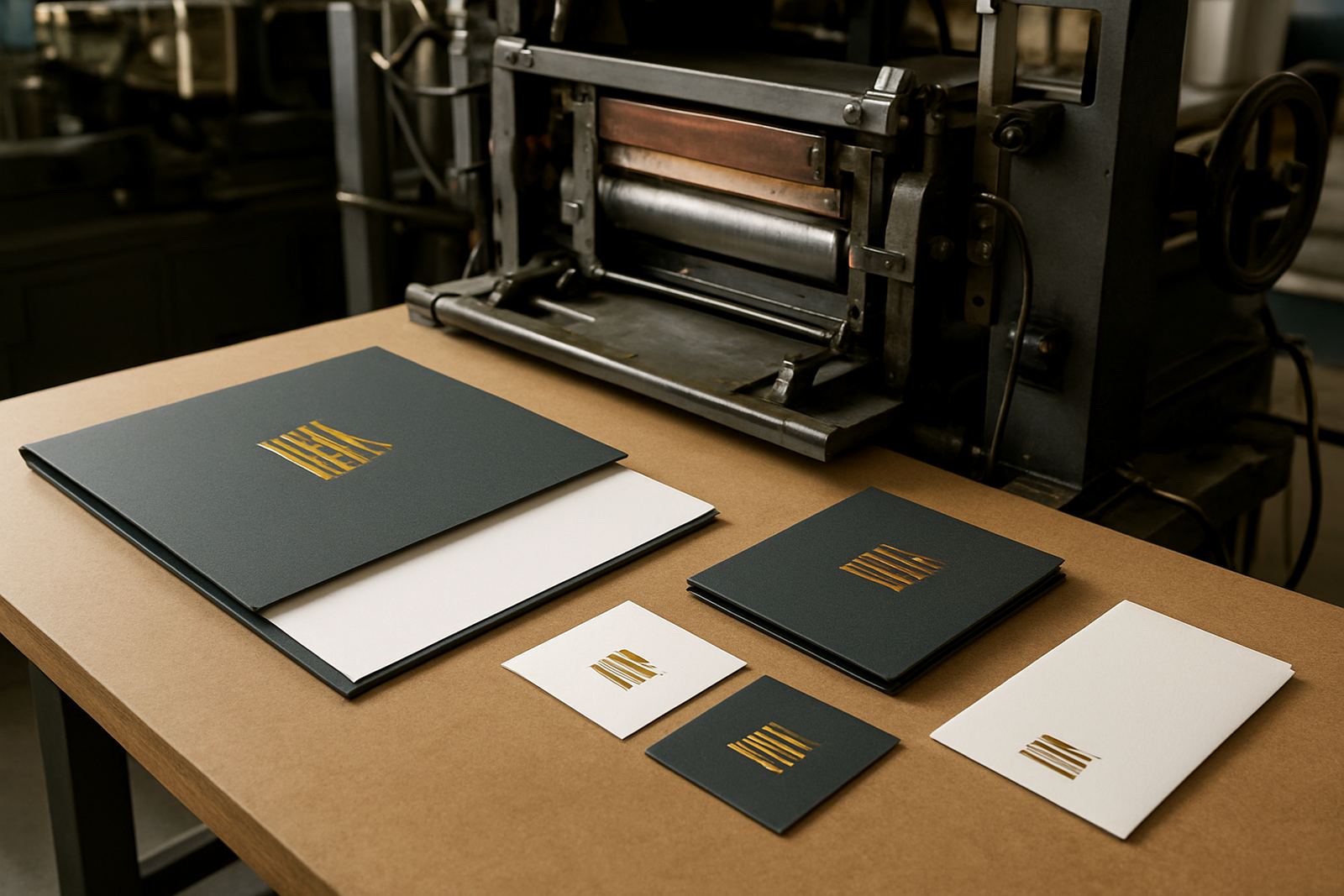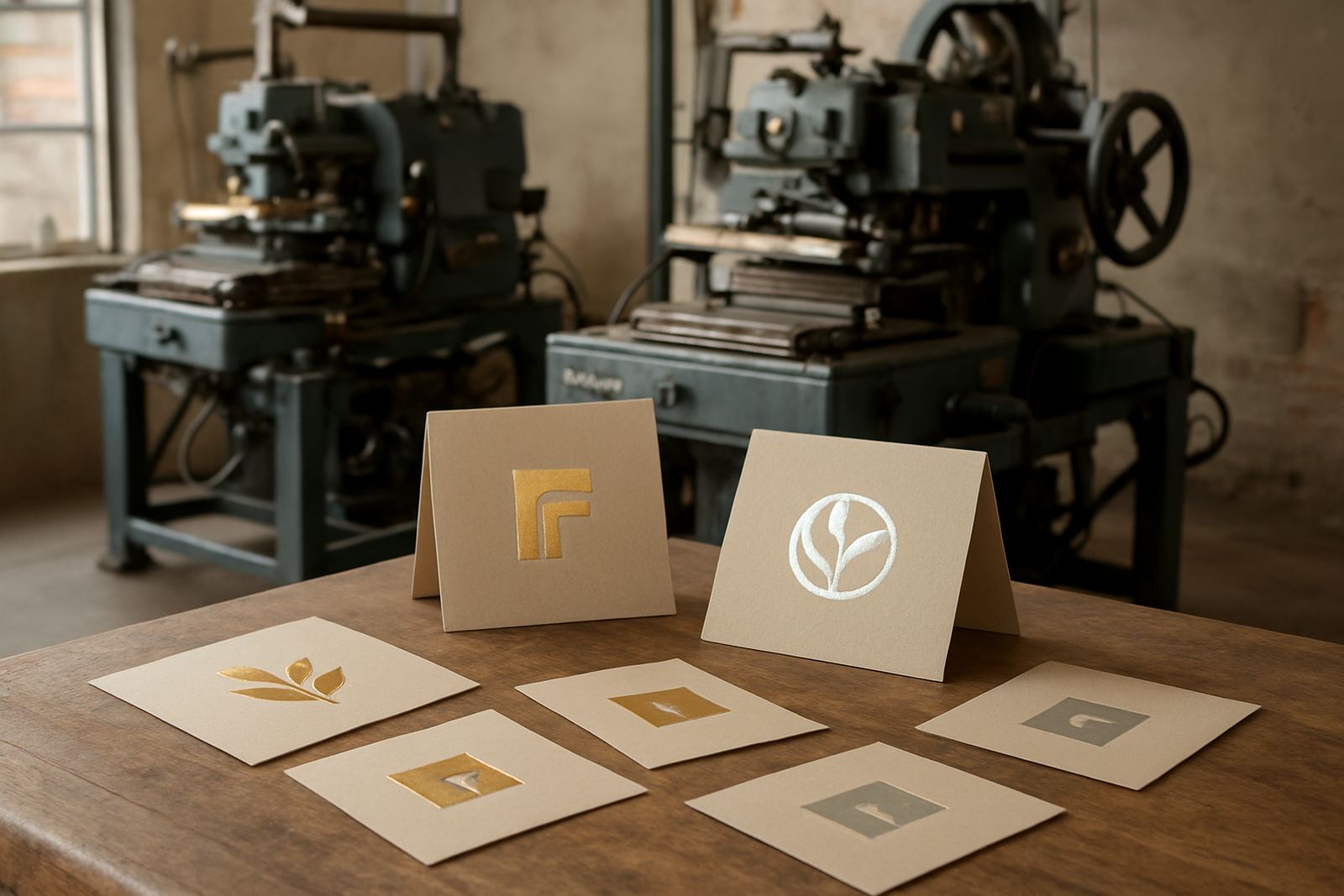
Why carton sleeves are a common foil job
Carton sleeves are often the first part of a pack that the customer sees, so the foil has to sit where it counts. A neat brand name, a security seal, or a decorative band around the sleeve can turn a plain wrap into a proper retail finish without changing the full carton print.
In practice, these jobs come from confectionery, cosmetics, wine accessories, gifting, and product packs that move through stores in Sandton, Midrand, Roodepoort and further out to Durban, Cape Town and Gqeberha. Many sleeves are light board or laminated stock, which means heat, pressure and dwell time need to be set properly or the foil can ghost, lift, or pick up unevenly.
For short runs, the aim is quick setup and clean repeatability. For larger volumes, the aim is consistency across the full batch, even when operators change shifts after load-shedding or night work.
Typical press setup for sleeve foiling
Most carton sleeve work uses a hot-foil press with a flat bed or platen setup, a solid heated head, and accurate pressure control. If the sleeve has a wide band or a full front panel, the press must keep heat even across the whole impression so the foil transfer stays bright at the edges and centre.
- Heated platen or head with stable temperature control
- Pressure adjustment for board thickness and coating type
- Die mounting for logos, lines, seals and border bands
- Foil feed and take-up that runs smoothly on narrow or wide rolls
- Guides or stops for repeat alignment on folded sleeves
At FoilPress, the setup is matched to the job size and the pack format. A small craft producer in Randburg may need a compact press for seasonal sleeves, while a Johannesburg converter supplying national retail may need heavier duty equipment for longer runs and less downtime.
Planning the sleeve before the first impression
Good planning saves far more foil than most people think. Before production starts, the die position, sleeve orientation and foil direction should be checked on the actual flat-out or finished size, not only on a mock-up. A sleeve that folds slightly out of square can push the foil out by a few millimetres, which is enough to spoil a front panel or seal line.
It also helps to work out where the fold lines and glue areas sit. Foil placed too close to a crease can crack after folding, especially on heavier board or on laminated sleeves that are stored in warm rooms. In coastal humidity, stored stock can also shift size a touch, so suppliers should keep board in the same conditions as the press room before run day.
- Confirm the sleeve flat size and final folded size
- Leave safe margins from folds, glue flaps and cut edges
- Check whether the foil sits on coated, laminated, or uncoated stock
- Plan the order of operations if the sleeve is being printed, foiled, and cut in stages
Common mistakes that waste foil and time
Most problems on carton sleeves come from rushing the setup. Too much heat can haze the coating or leave a dark mark around the stamp. Too little pressure can give a weak impression that looks fine in the workshop but fails once the sleeves are packed and handled. Wrong foil matching is another common one, especially when the stock has a rough surface or a shiny laminate that needs a different release point.
Another mistake is ignoring the effect of power interruptions. If the press cools down during load-shedding and is started again too quickly, the first few impressions can be inconsistent. It pays to warm up properly, check calibration, and run a small test batch before committing the full order.
- Skipping a test run on the actual board
- Using the same settings for every carton type
- Allowing worn dies to stay in production too long
- Running foil too close to folds or glue zones
- Not checking for dust, oil or board curl before setup
Budget ranges for carton sleeve foiling in Rand
Budget depends on sleeve size, run length, foil coverage and how much handling is involved. A simple name or seal on a short sleeve can be very manageable, while a wide decorative band with tight alignment and multiple set-ups will cost more in labour and foil use. If the job needs special die work or extra testing, that should also be allowed for early.
As a working guide, small setup and test jobs can start from about R1 500 to R3 500, depending on the complexity. Short commercial runs often sit in the R4 000 to R12 000 range, while larger or more detailed sleeve programmes can move into R15 000 and up. The final number depends on the press time, the foil width, and whether the client needs installation support, operator training, or production optimisation.
FoilPress works with businesses that need honest numbers before they commit. That matters when a packer in Germiston wants a regular supplier, or a converter in Midrand needs to price a seasonal retail job without eating into margin.
Support for printers, packers and small brands
FoilPress supplies presses and foils nationwide, with support from Industria West in Johannesburg and service across Roodepoort, Randburg, Midrand, Sandton and Germiston. The team handles press installation, operator training, preventive servicing, breakdown repairs, heater calibration, pressure setup, die mounting, foil matching, spares supply and production optimisation.
That support is useful when sleeve work forms part of a wider packaging line. A press that is set correctly can save foil, reduce rejects and keep sleeves moving through finishing without constant resets. For clients running mixed jobs, the aim is practical control, not fuss.
- Installation and commissioning for new presses
- Training for operators and supervisors
- Servicing plans to keep heat and pressure consistent
- Repair support for urgent production stoppages
To discuss carton sleeve work, clients can send a message through our contact form for direct help on the right press, foil type and job setup.