Why tea packaging needs careful foil work
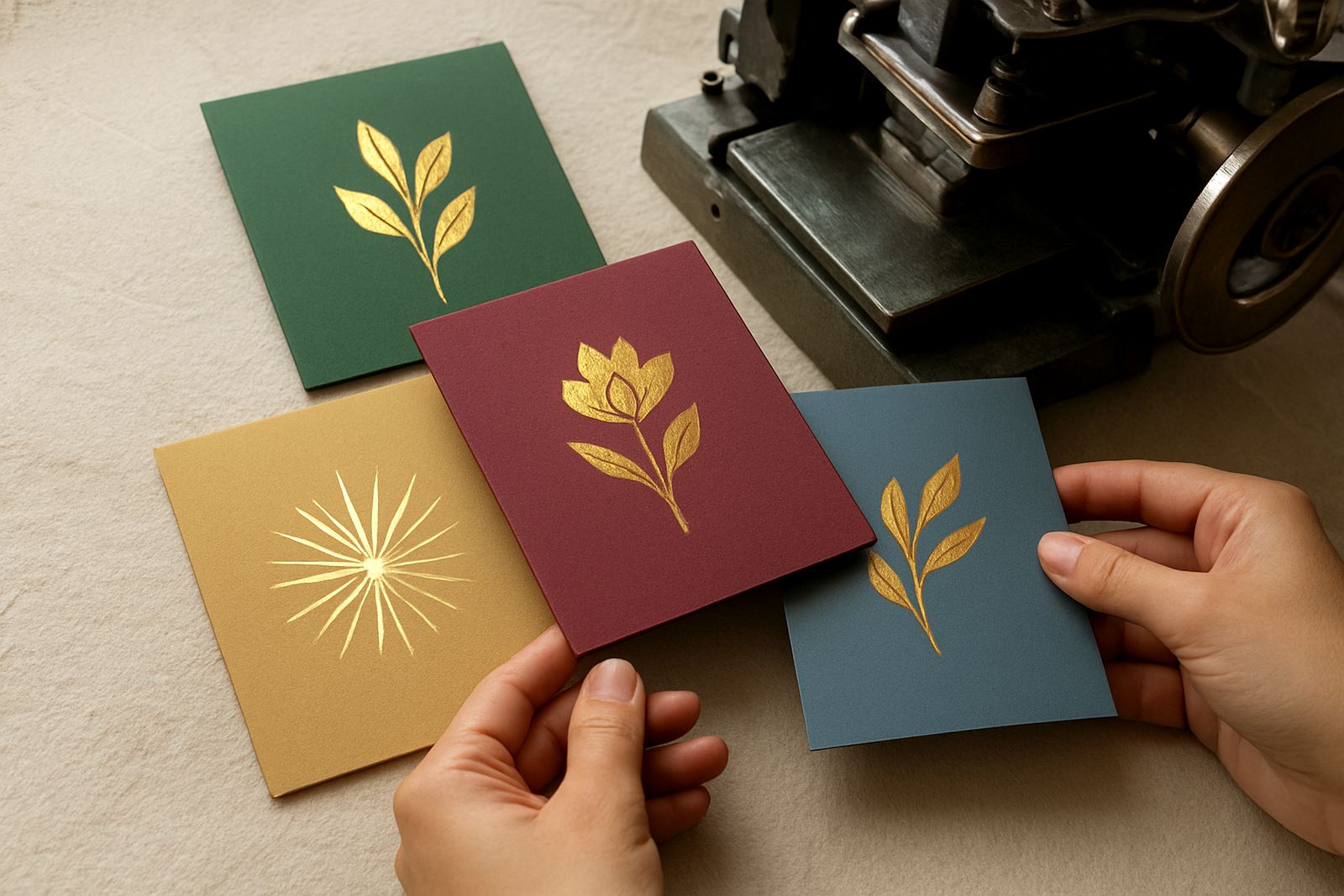
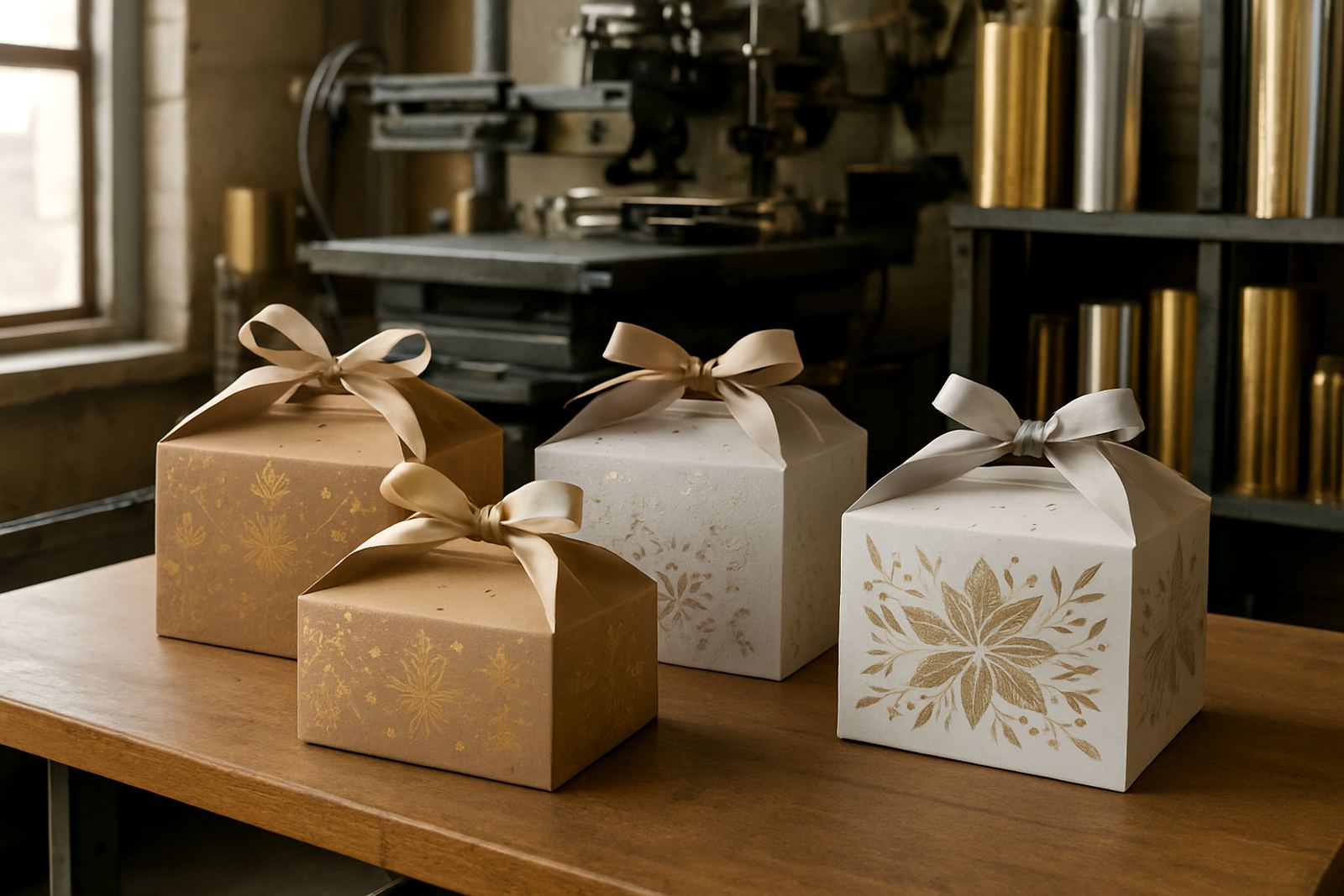
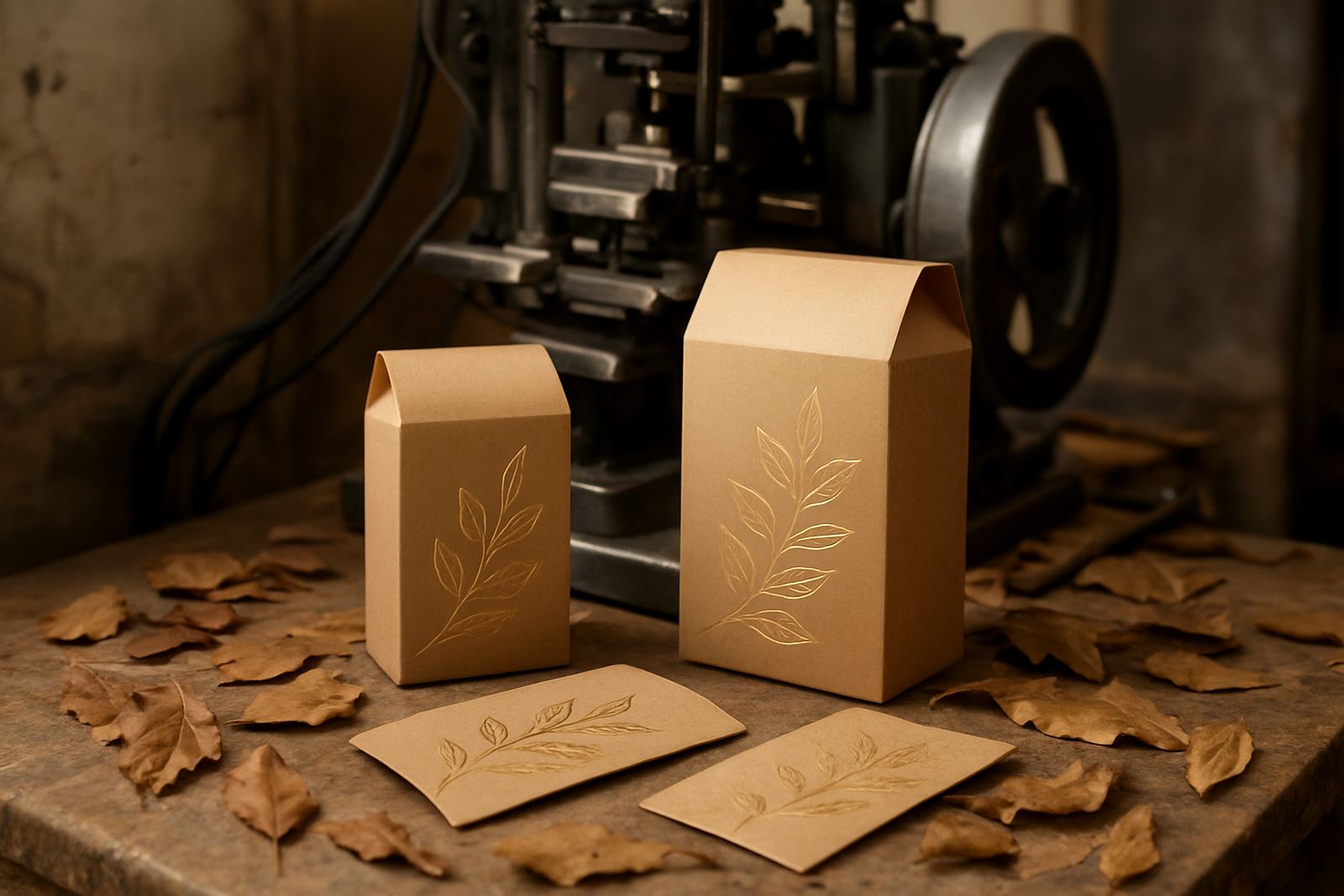
Tea is one of those products where the pack must do a lot of selling before the bag is opened. A gold or copper line on a carton face, a small crest on a tuck end, or a fine border on a sleeve can signal quality straight away, but only if the foil is sharp and placed in the same spot every run. On tea lines, the pack often moves through gluing, folding and cartoning, so the print has to stand up to handling, freight and shelf rubbing.
For Johannesburg producers and packers supplying stores across Gauteng, the challenge is usually not the foil itself but the repeatability. Small craft blends, wholesale ranges and contract packers all need different volumes, yet the finish still has to look consistent from the first carton to the last. In humid coastal shipments the foil must also hold its finish without flaking at the corners, which means the pressure, heat and stock choice need proper setup from the start.
- Use foil to mark flavour ranges, premium blends or limited runs.
- Keep the design simple on small cartons so the detail stays crisp.
- Allow for glue flaps, folds and barcode zones before fixing the artwork.
Typical press set-up for tea cartons and sleeves
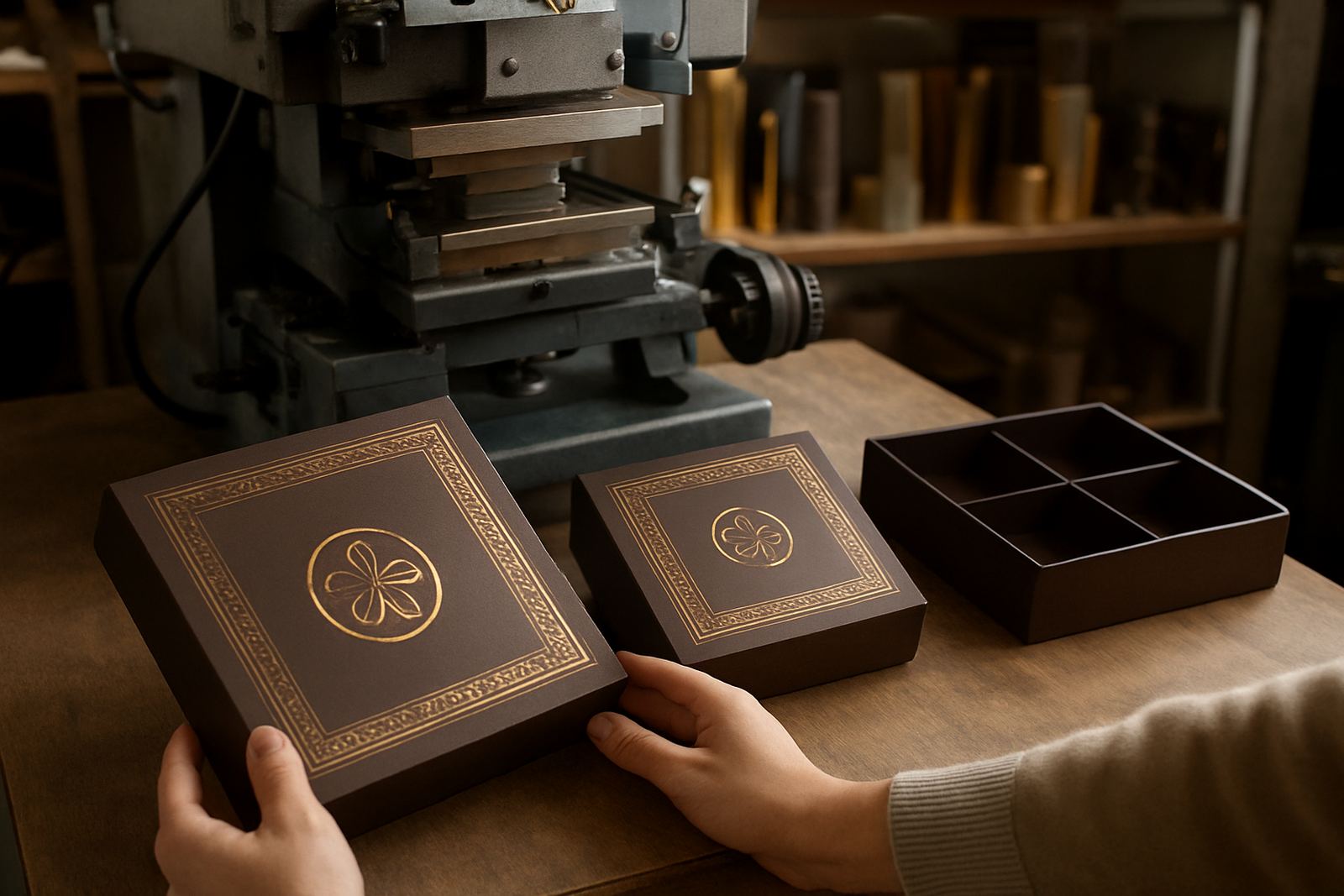
Most tea work starts with a compact hot-foil stamping press matched to the carton size and the daily output target. Short runs for boutique teas may suit a smaller manual or semi-automatic press, while higher volume packers in Industria West or Roodepoort often need a heavier unit with stronger registration and a more reliable feed. The right machine depends on the board grade, the number of foil areas, and whether the work is flat cartons, pre-folded sleeves or both.
A useful line-up usually includes the press, a die plate, heater controls, pressure adjustment, foil feed and a clean area for make-ready. If the tea carton has a soft-touch finish or a coated board, the team may need to test a few foils before sign-off. Some jobs also need a die with a slightly finer edge to prevent crushing on lighter boards. That is where proper die mounting and heater calibration make a real difference.
- Manual presses suit sampling, short seasonal runs and small pack houses.
- Semi-automatic units help with repeat orders and lower operator fatigue.
- More controlled feeding is useful where sleeves must stay square and aligned.
The team at FoilPress works with businesses in Sandton, Midrand and Germiston as well as smaller packers in Randburg who need a machine that can move between product lines without wasting time. A good match between press size, foil width and carton format will save both stock and labour.
Planning the layout before you start production
Tea packaging design should be planned around the press, not the other way round. Before any die is cut, check where the flap sits, where the fold lines run and how the carton will travel through the line. Many problems start when the foil panel is drawn too close to a crease or too near a glued seam. The result is a split image, lifted foil or a slight twist on the sleeve. On a busy production run that sort of fault adds waste very quickly.
It helps to keep the main foil mark away from structural areas and to leave enough room for carton variation. Stock can change from one supplier to the next, even if the GSM looks the same on paper. In practice, a tea box for a single-origin range may need a different layout from a gift pack or sampler pack. Where a design uses fine type, test the smallest size early because the foil edge can fill in on tighter lettering.
- Leave space around folds, glue points and machine grippers.
- Check the carton blank flat before approving the artwork.
- Test the final board, not only a sample sheet from prepress.
For firms in Johannesburg City West, layout planning also needs to consider local turnaround and repeat supply. If a customer wants fresh stock every month, the press should be set up so the same die and settings can be reused with minimal adjustment. That reduces stoppages, especially during load-shedding when every changeover takes longer than planned.
Common mistakes that damage tea pack finishes
Tea cartons fail for simple reasons more often than complex ones. Too much heat can blur the image, while too little pressure leaves parts of the foil patchy. Poor die mounting can create a double edge, and an uneven bed may show up only after a few hundred cartons. If the foil is matched badly to the board, the finish can look dull even when the press settings seem correct.
Another common mistake is ignoring the way the carton will be handled after stamping. Sleeves that are too tight on the tray or outer carton can rub the foil, especially on sharp edges. This shows up most often on export packs and on displays that travel by road for long distances. It is worth checking the full pack assembly, not only the stamped panel. A small error at this stage can cost more than the foil itself.
- Do not run a premium foil on untested board and expect a clean result.
- Do not place fine foil close to folds, perforations or glue lines.
- Do not skip pressure setup when changing from one carton size to another.
Preventive servicing, heater calibration and operator training reduce these problems sharply. A well trained operator will spot a dull impression before it becomes a full batch of rejects, and that saves money fast.
Budget ranges for tea foil stamping in Rand
Budgets for tea packaging vary by output, automation level and the amount of support needed around the press. Small craft businesses often start with a lower-cost setup that handles sampling and short seasonal runs, while larger manufacturers need a higher investment for speed, consistency and fewer manual adjustments. As a rough guide, a basic press for low-volume tea cartons can start from about R85,000 to R180,000, while a more capable production unit may sit between R220,000 and R650,000 depending on size and controls.
Die costs, foil stock, installation and training also need to be budgeted. For a tea producer setting up a new range, the first die set and make-ready work may add a few thousand Rand per design, and that is before ongoing foil supply. For regular packers, the better savings usually come from lower waste, fewer stoppages and shorter setup time. That is why production optimisation matters just as much as the machine price.
- Entry-level setups: good for sampling and short runs.
- Mid-range setups: suited to steady regional supply.
- Higher-output setups: better for contract packers and larger plants.
FoilPress supplies presses and foils nationwide, with support from Industria West and surrounding areas including Roodepoort, Randburg, Midrand, Sandton and Germiston. If a tea packer needs a practical budget figure, the final number depends on carton size, duty cycle, foil coverage and the level of operator support required on site.
How FoilPress supports tea packers nationwide
Tea producers need more than a machine drop-off. They need the press installed correctly, the die mounted cleanly and the team trained to keep the finish steady when volumes rise. FoilPress supports that work with press installation, operator training, preventive servicing, breakdown repairs, pressure setup, foil matching, spares supply and production optimisation. That support is useful for growing packers who start with short local orders and later move into wider distribution.
The business is based in Industria West, Johannesburg and works with clients across the City West corridor and beyond. For tea packaging, that means the same supplier can help with a new launch in Sandton, a production line in Germiston or a small family pack house in Roodepoort. For orders or technical queries, the team can be reached through our contact form.
- Press installation and setup for new tea packaging lines.
- Operator training for better day-to-day control.
- Servicing and repairs to keep production moving.
For tea cartons and sleeves, the goal is simple: a clean foil accent that looks premium without slowing the line. With the right press and sensible planning, that result is very achievable.