Floor-standing foil pressing for repeat commercial work
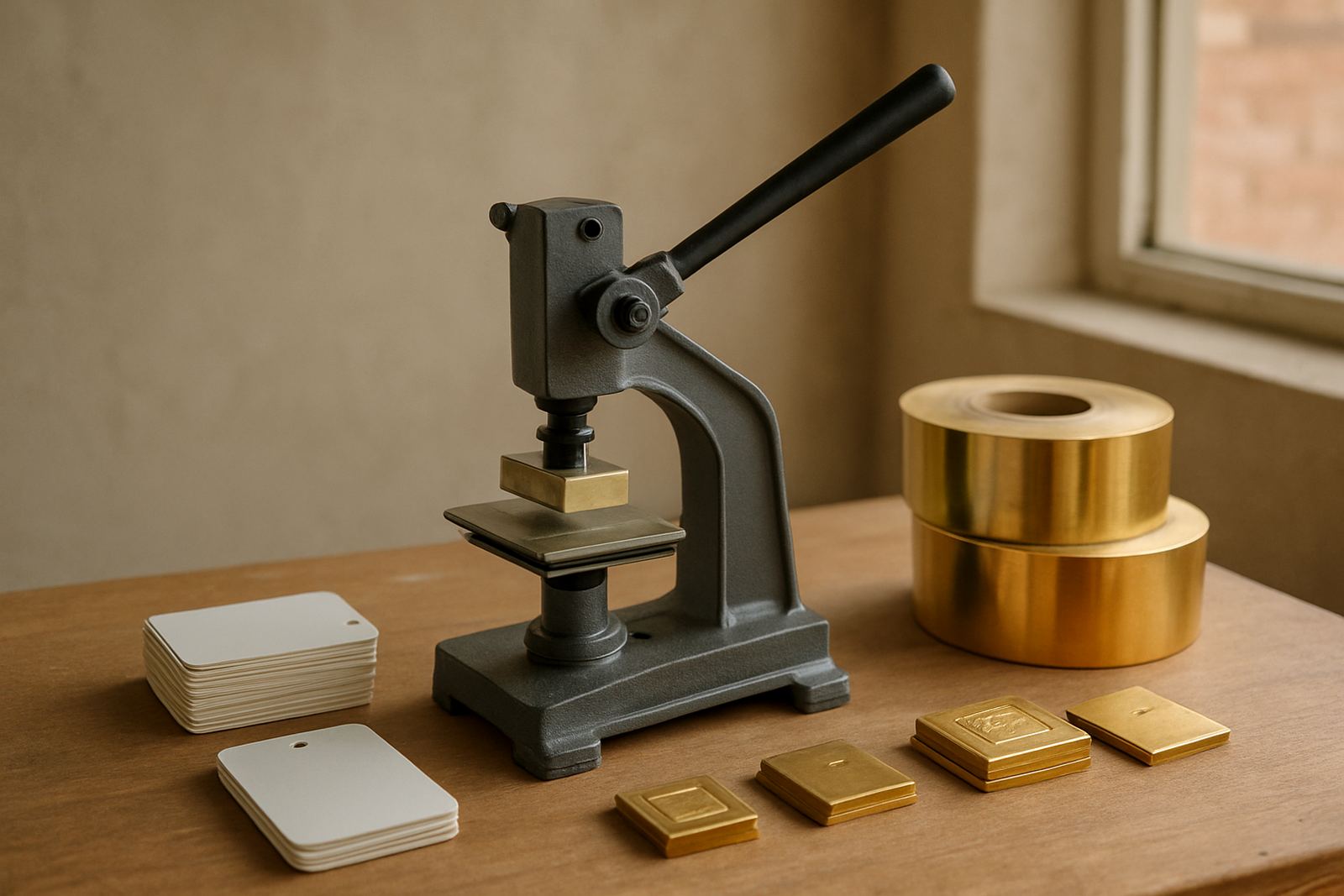
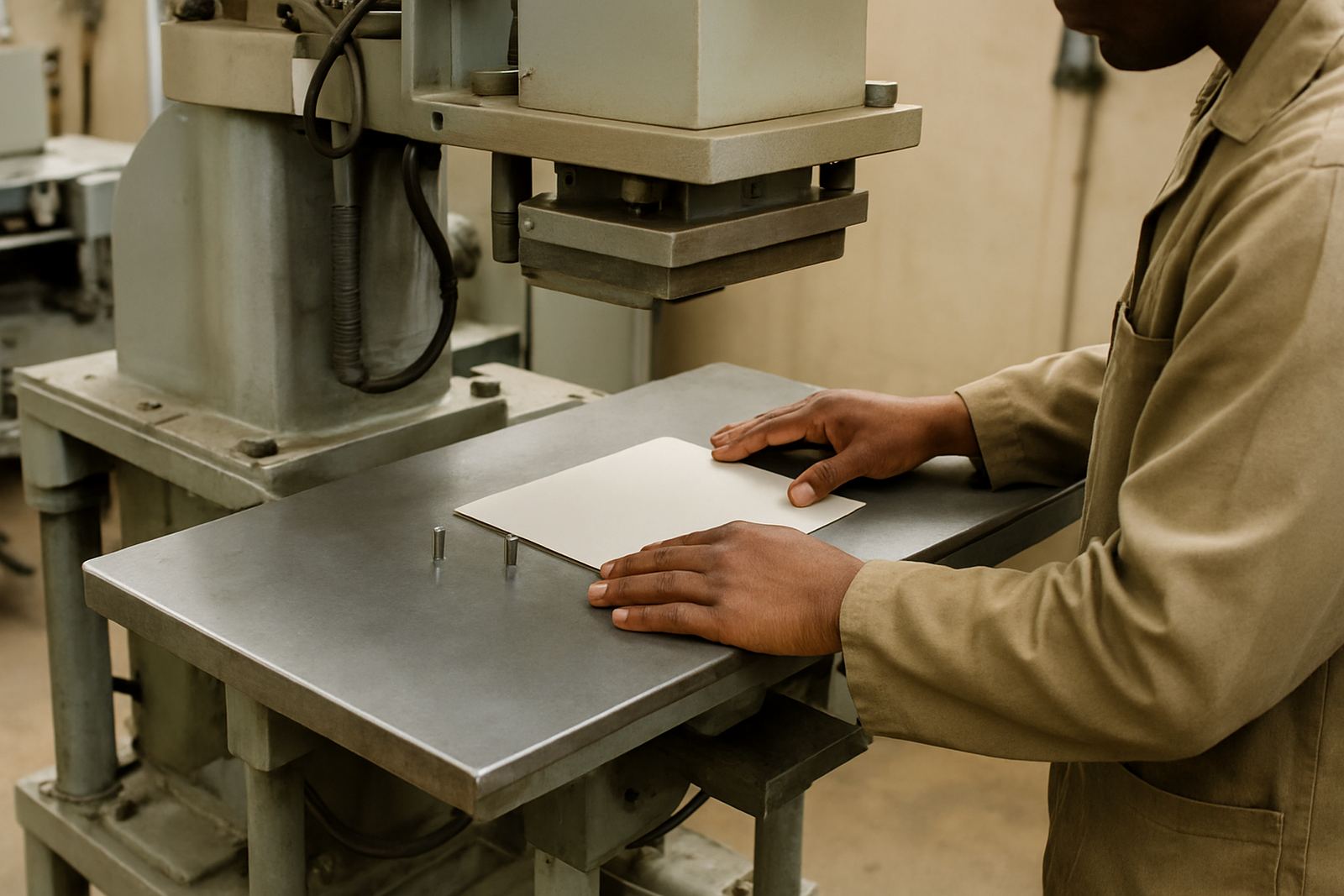
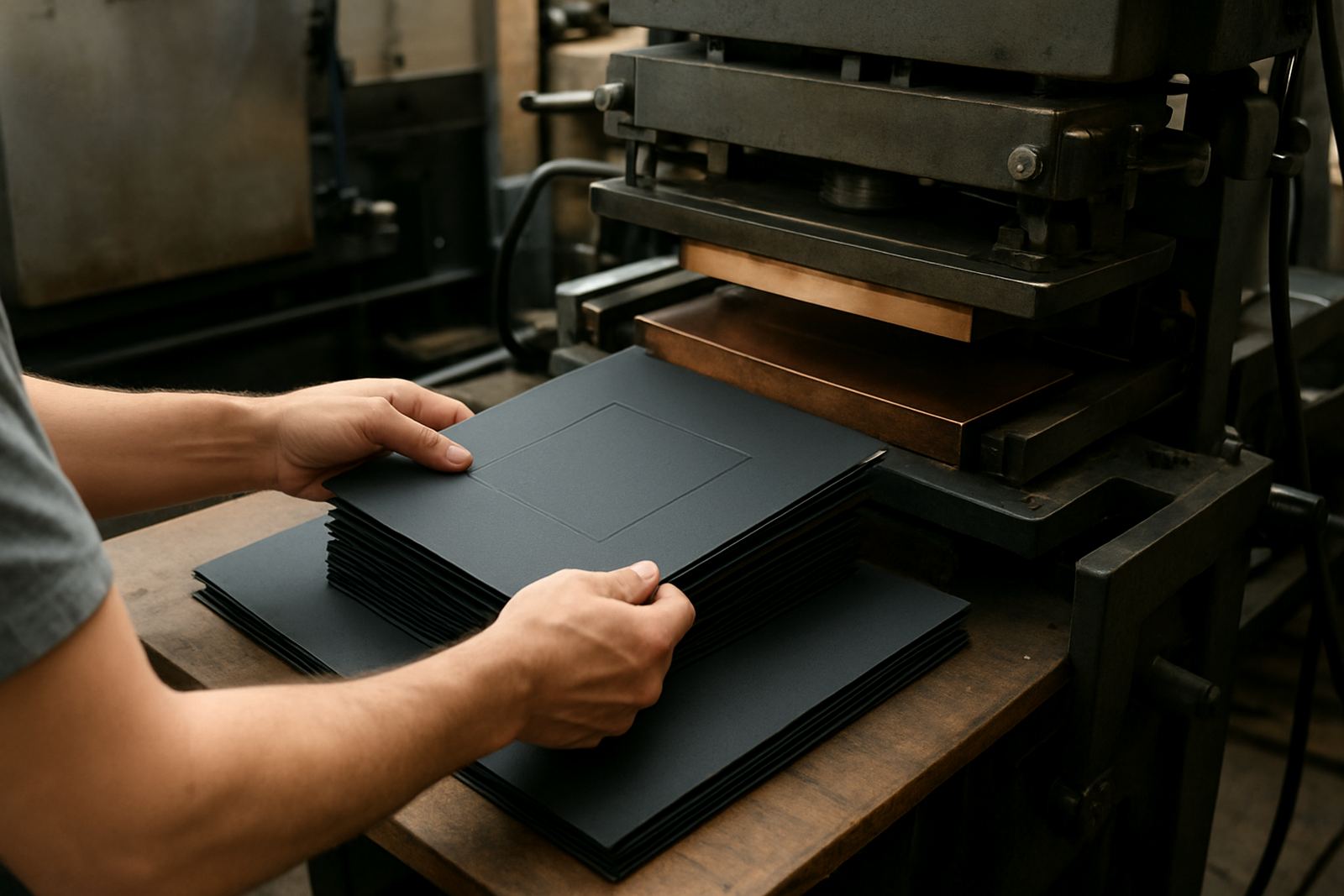
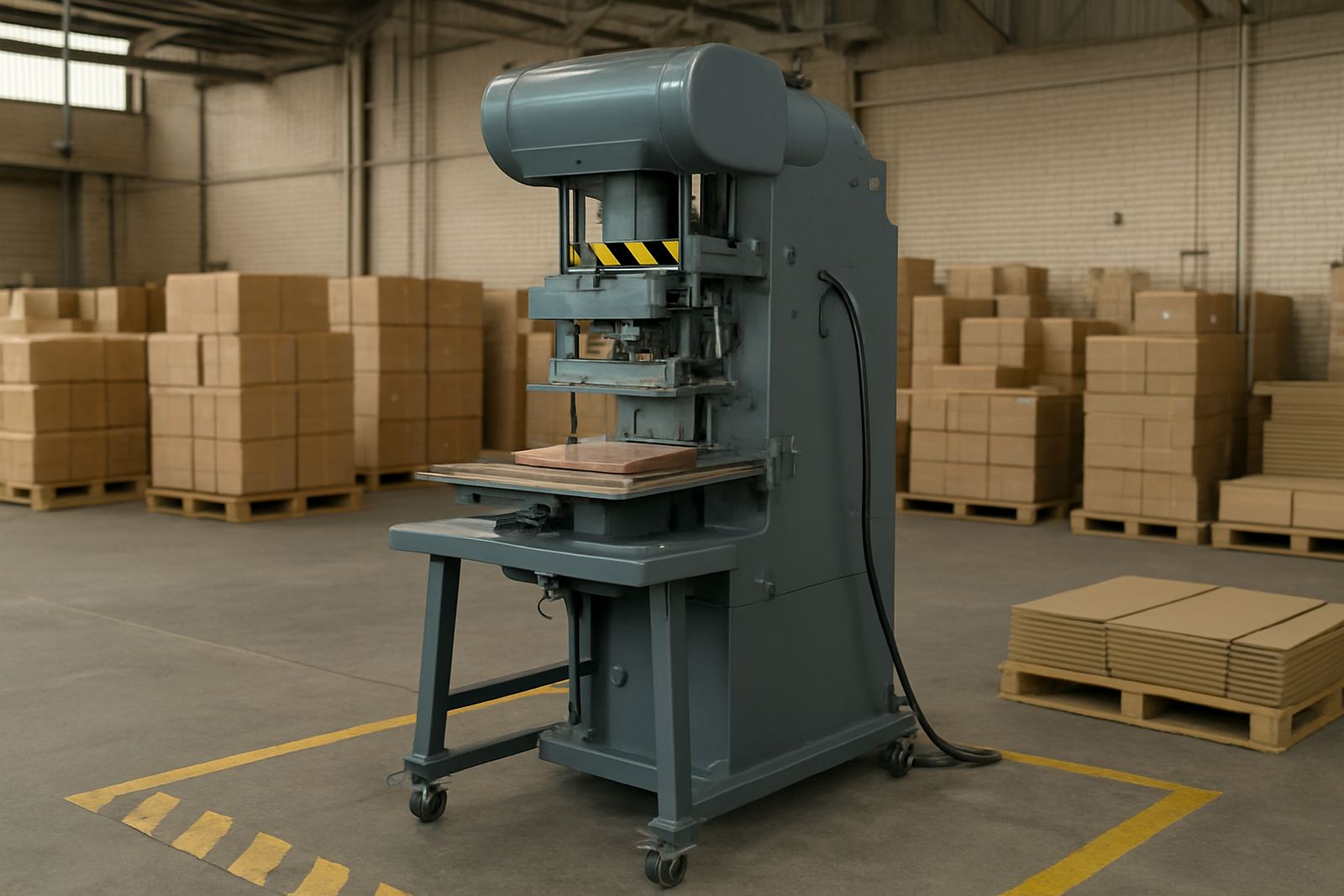
The Production Floor Press is a heavier-duty hot-foil stamping press intended for higher throughput than a benchtop unit. It is used where cartons, sleeves, tags, presentation boxes and rigid packaging need the same finish on every run, shift after shift. The frame is fixed to the floor, which helps keep the machine steady when pressing larger dies or working with thicker stock.
This type of press is a practical choice for printers and converters in Johannesburg, Roodepoort, Randburg, Midrand, Sandton and Germiston, as well as coastal and inland operations that need dependable output without constant adjustment. It gives operators more working room, more consistent pressure and better control when jobs are repeated through the week.
For foil, the main advantage is control. The heated head, pressure system and die mounting layout are designed to keep image transfer even across the full stamp area. That matters on packaging where small variation is easy to see, especially on solid colour boards, coated materials and short-run premium jobs.
Sizes, work area options and output ranges
Production needs differ from one factory to the next, so the press is specified in working area and format rather than one fixed size. Smaller floor units are useful for compact packaging work and narrow runs, while wider tables suit carton panels, multiple tags per sheet and larger decorative areas. The right choice depends on your die size, stock thickness and daily volume.
Common options include single-head layouts for straightforward production and wider format configurations where a larger impression area is needed. Some operations prefer a longer feed path for easier handling, especially when operators are moving between foil colours or multiple carton sizes in the same day.
- Typical working widths: 300 mm to 600 mm
- Typical working lengths: 400 mm to 900 mm
- Suitable for short runs, repeat batches and higher volume packaging work
- Can be matched to single impression or multi-up production needs
- Floor-standing frame for improved stability under load
When ordering, it helps to share the exact die size and the largest sheet or carton blank you plan to run. That lets us recommend a format that gives proper clearance and avoids wasting time on a unit that is too small for the job.
Where the press works best in South African production
This press suits packaging lines that need a tidy finish on carton boards, folding cartons, sleeves, labels, presentation folders and promotional packaging. It is also a good fit for commercial foil work that must hold up to repeat production, not just sample runs. If your business supplies cosmetic packs, food cartons, liquor boxes or corporate gift packaging, the floor-standing format gives you more control on longer jobs.
It is especially useful where customers want consistent registration across batches. In South Africa, many shops run mixed work and load-shedding can interrupt the day, so a machine that warms predictably and returns to correct settings after a stop is important. The unit is also suitable where humidity changes stock behaviour, for example in coastal storage areas where boards can curl or shift slightly.
For busy environments, the operator benefit is simple: less fuss, less movement on the floor and easier handling of repeated work. If your team is turning around the same carton style every week, a fixed press like this can save time and reduce reject sheets.
Power, heat and installation requirements
Because this is a floor-standing production machine, installation needs to be planned before delivery. A level concrete floor is preferred, with enough space for operator access, stock feeding and safe movement around the unit. The machine should be placed where it can be serviced from the side or rear without shifting other equipment every time a technician visits.
Power needs depend on the exact specification, but most production presses require a stable single or three-phase supply with proper earthing and protection. Where the workshop runs through inverter systems or generator backup during outages, the supply should be checked for consistency. Voltage dips and unstable changeover can affect heater performance and pressure settings.
Some configurations may also need compressed air for certain functions. If air is required, check that the line pressure is steady and the compressor duty cycle is suited to repeated use. A clean, dry air supply is best. In humid areas, water in the line can cause nuisance faults and poor movement on pneumatic parts.
- Allow level floor space and clear access for loading and maintenance
- Confirm phase, voltage and breaker size before delivery
- Check if compressed air is required for your configuration
- Plan for safe changeover after load-shedding or generator use
- Keep the unit away from dust-heavy cutting and finishing areas where possible
Care, servicing and keeping foil work consistent
The best foil finish comes from regular care rather than constant adjustment. Daily checks should include temperature stability, pressure setting, foil feed alignment and the condition of the die mounting area. If the machine is used on coated boards or thicker packaging material, the heat and pressure settings must be checked at the start of each shift so the first run is not wasted.
Preventive servicing helps avoid breakdowns when orders are due. Our team can assist with heater calibration, pressure setup, die mounting checks, foil matching and breakdown repairs. We also supply spares for wear items and can help track down the cause of uneven transfer, scorching or incomplete coverage. Small faults often start with loose fittings, tired heaters or worn guide parts, so a proper service schedule pays for itself.
If your site loses power often, it is wise to inspect electrical components after outages and before the next production run. On older workshops, dust build-up and heat cycling can affect terminals and controls, especially in summer. A clean machine is easier to keep accurate and the finish stays more consistent.
What to check before you order
Before choosing a Production Floor Press, collect the details of the work you do every week. The more exact the information, the easier it is to match the press to your output. A carton shop making 500 premium boxes a day will need different setup support from a craft business doing smaller but frequent foil runs.
- Largest die size and smallest regular job size
- Stock type, board thickness and whether the material is coated or uncoated
- Daily and weekly volume, including peak periods
- Available power supply and whether backup power is used
- Workshop floor space and delivery access
- Whether you need air supply, operator training or installation support
It also helps to know your target finish. Fine text, solid blocks and heavy coverage each behave differently under heat and pressure. If you are unsure, send through a sample or job spec and we can advise on foil type, pressure range and setup details before the machine goes into service. For businesses in Industria West, Roodepoort, Randburg, Midrand, Sandton and Germiston, our Johannesburg base makes it easier to plan site visits, training and follow-up support.
Key facts
| Machine type | Floor-standing hot-foil stamping press |
|---|---|
| Best for | Packaging lines, repeat commercial foil work and larger production batches |
| Working area options | Approx. 300 mm to 600 mm wide, with longer format options available |
| Power | Stable single or three-phase supply, depending on configuration |
| Air requirement | Compressed air may be required for selected setups |
| Support services | Installation, operator training, servicing, repairs, calibration and spares supply |