What the tabletop swing arm does in daily production
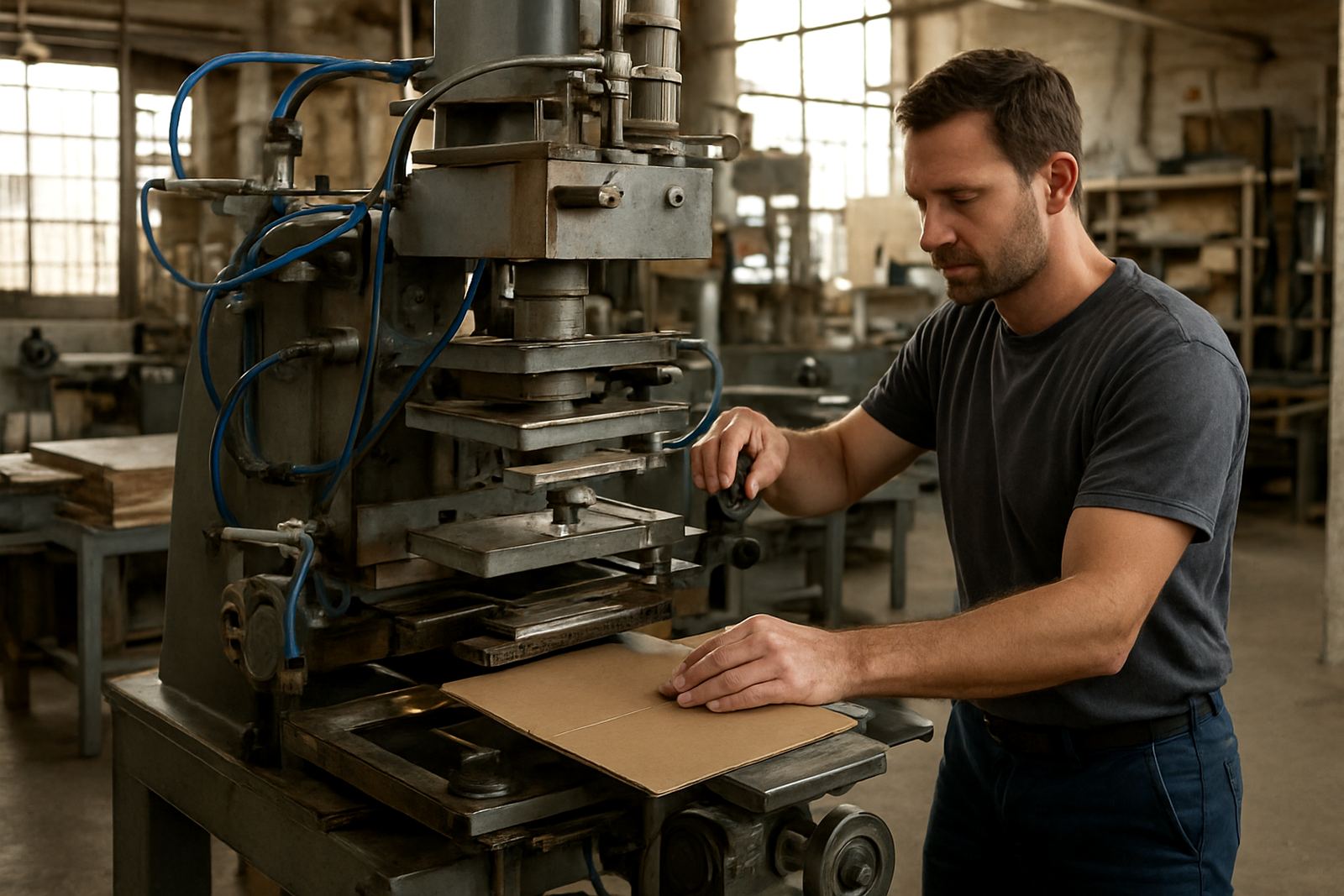
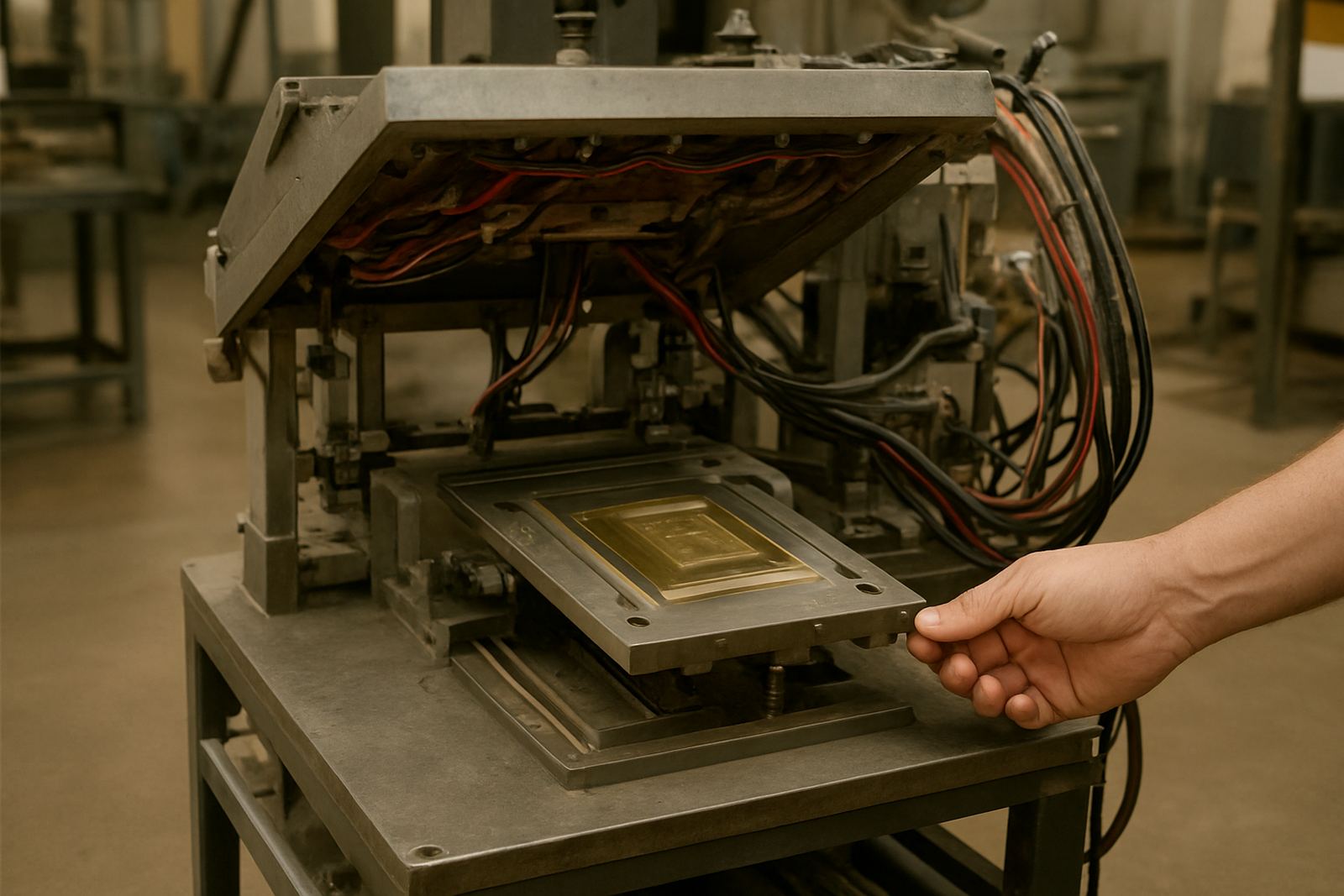
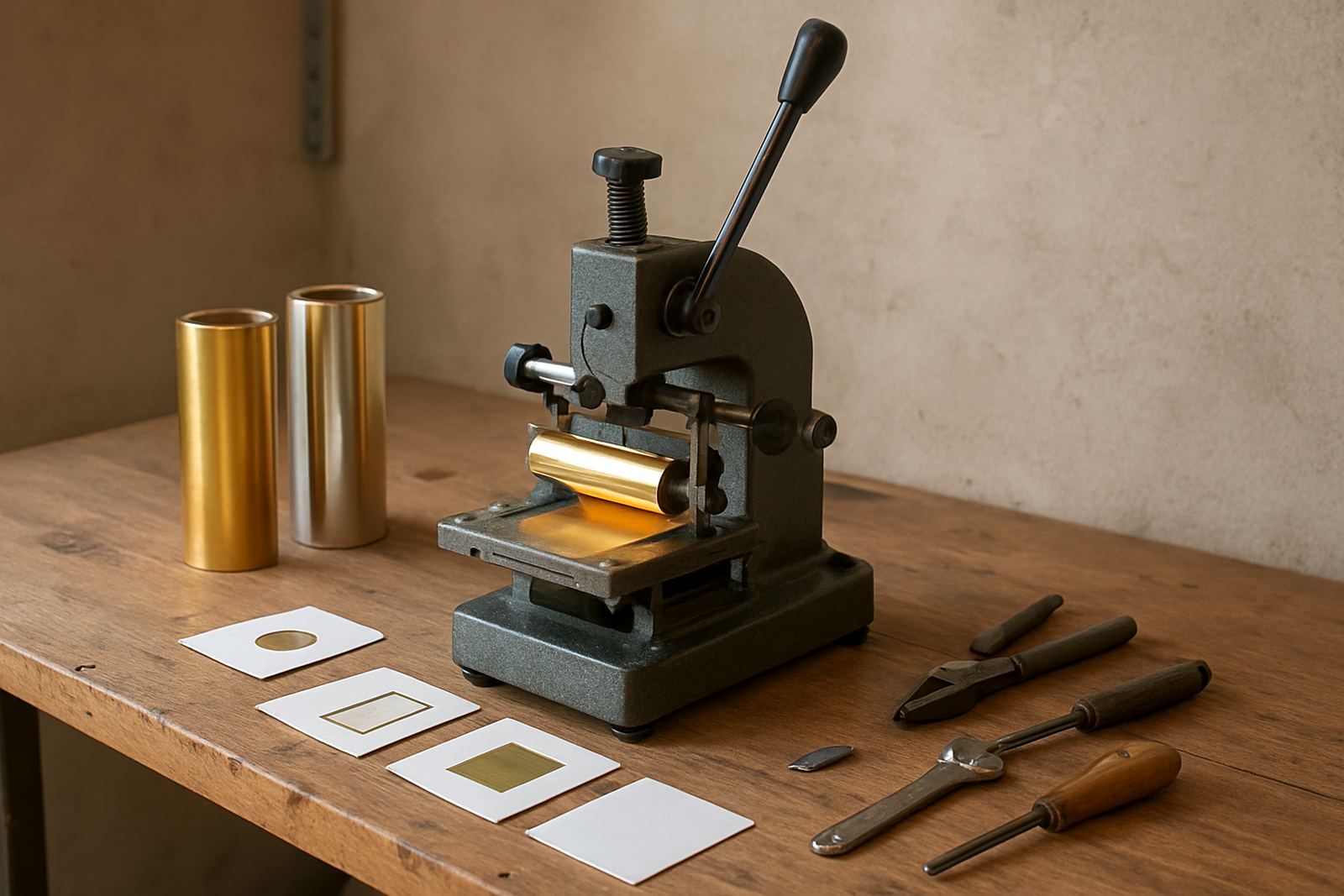
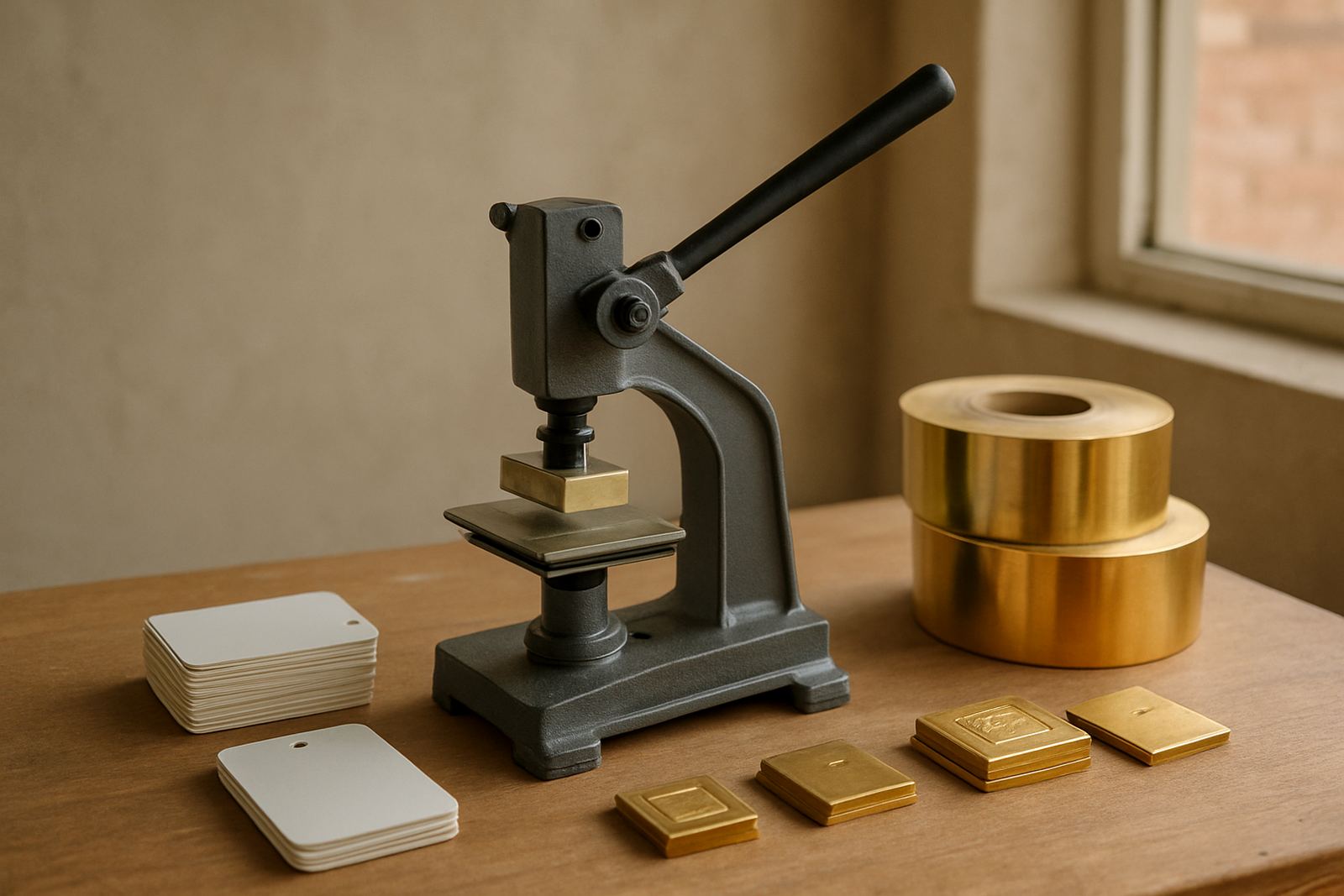
The Tabletop Swing Arm is a compact press unit built for precise positioning on small to medium foil jobs. It is commonly used on cards, hang tags, invitations, sleeves and flat cartons where repeat placement matters and the workpiece needs to sit square before the press comes down.
Because the arm swings over the table rather than moving the whole job through a larger machine, setup is quicker for short runs and sample work. That makes it useful for craft studios in Randburg, packaging finishers in Germiston, and printing rooms in Industria West that need a tidy workstation for repeatable results. The unit is especially helpful where floor space is limited and the operator needs clear access from the front and sides.
- Suitable for flat stock, folded cards and light carton work
- Compact footprint for smaller workshops and shared finishing areas
- Helps keep positioning consistent from first piece to last
Sizes and options available for different job types
Tabletop swing arm units are usually selected by platen size, arm reach and heating capacity. The right setup depends on the largest item you plan to run, the thickness of the substrate and how often you change between sizes. A card maker running 90 x 50 mm tags does not need the same working area as a packaging supplier producing A4 flat cartons or presentation sleeves.
Common options include interchangeable platens, adjustable guides and different heater configurations for lighter or heavier workloads. If your work ranges from short proof runs to regular production batches, it is worth choosing a unit with a little extra working room. That gives you space for alignment and lets you alighn the foil area without forcing the stock against the edge.
- Small format tables for tags, cards and sample pieces
- Medium tables for A5 and A4 flat cartons
- Optional guides for repeat placement on long runs
- Heavier duty swing arm setups for more frequent daily use
Where the unit suits best in South African workshops
This type of press suits businesses that need accurate foil placement on flat work but do not want a large floor-standing machine. It is practical for commercial printers, invitation makers, luxury packaging finishers and promotional product suppliers. In Johannesburg and nearby industrial areas, many shops use this format for work that changes often and needs a quick turnaround.
It also makes sense for operations that run mixed jobs through the week. One day may be cards and ticket holders, the next may be carton lids or hang tags. For that reason, the tabletop swing arm is a solid fit where production is varied, quantities are modest and the operator needs direct control over pressure, timing and positioning.
- Cards and invitations
- Hang tags and swing tags
- Flat cartons and sleeves
- Sample packs and presentation pieces
Installation, electrical needs and workshop setup
Installation is straightforward, but the machine still needs a stable bench or stand, proper clearances and a reliable power supply. It should sit on a level surface with enough room for the swing movement and for the operator to load stock from the front. Good bench height matters because it reduces strain during repeated loading and unloading.
Most units run on standard single-phase electrical supply, although exact requirements depend on heater size and control setup. A dedicated circuit is preferred where possible, especially in workshops dealing with load-shedding recovery or other voltage fluctuations. If the unit is used in a shared area, plan for cable routing, safe heat clearance and easy access to the isolator. No gas connection is required for this type of press.
- Level bench or fixed stand required
- Single-phase power on a dedicated circuit recommended
- Leave space for the arm swing and operator movement
- Use surge protection if your site has unstable power
Care, servicing and everyday operating checks
Like any finishing equipment, the swing arm unit works best when kept clean and checked regularly. Dust, foil residue and light adhesive build-up can affect pressure consistency and heater response. In coastal or humid areas, wiping down exposed surfaces after use also helps prevent surface corrosion on bolts, plates and fittings.
Routine servicing should cover heater calibration, pressure setup, mounting points and moving parts on the arm assembly. If the press starts producing uneven transfer, check temperature stability, platen level and die alignment before increasing pressure. Preventive servicing saves time on breakdown calls and keeps production moving, especially when the workshop is running tight deadlines.
- Clean platen surfaces after each shift
- Check heater performance and temperature accuracy
- Inspect the swing arm joints and fasteners regularly
- Keep foil waste, dust and offcuts away from the controls
What to confirm before you place an order
Before ordering, confirm the maximum sheet size, the thickest stock you plan to run and the usual foil area on each job. It also helps to know whether you need a simple manual setup or extra guides for repeat work. If your output includes mixed substrates, tell us the paper weight, board thickness and whether you are working with coated or uncoated stock.
It is also worth checking your power point location, bench size and any access limits in the workshop. In some premises the machine needs to be moved through narrow doors, stairwells or shared loading bays, so dimensions matter. If you are based in Roodepoort, Sandton, Midrand or Germiston, we can help match the unit to the space and the type of work you run.
- Maximum working size and stock thickness
- Type of jobs and expected daily volume
- Electrical supply point and bench space
- Need for guides, spare parts or operator training
Key facts
| Working format | Tabletop swing arm unit for flat stock |
|---|---|
| Typical stock | Cards, tags, invitations, sleeves and flat cartons |
| Power requirement | Single-phase electrical supply, dedicated circuit preferred |
| Setup | Bench or stand mounted with clear arm swing space |
| Control focus | Temperature, pressure and timed positioning |
| Maintenance | Routine cleaning, calibration and periodic servicing |